Wondering whether Santa Barbara Uptown or Downtown fits your daily routine better? It is a smart question, especially in a city where two areas can feel close on a map but live very differently day to day. If you are weighing walkability, parking, housing style, and the overall rhythm of life, this guide will help you compare the two with more confidence. Let’s dive in.
Downtown vs Uptown at a Glance
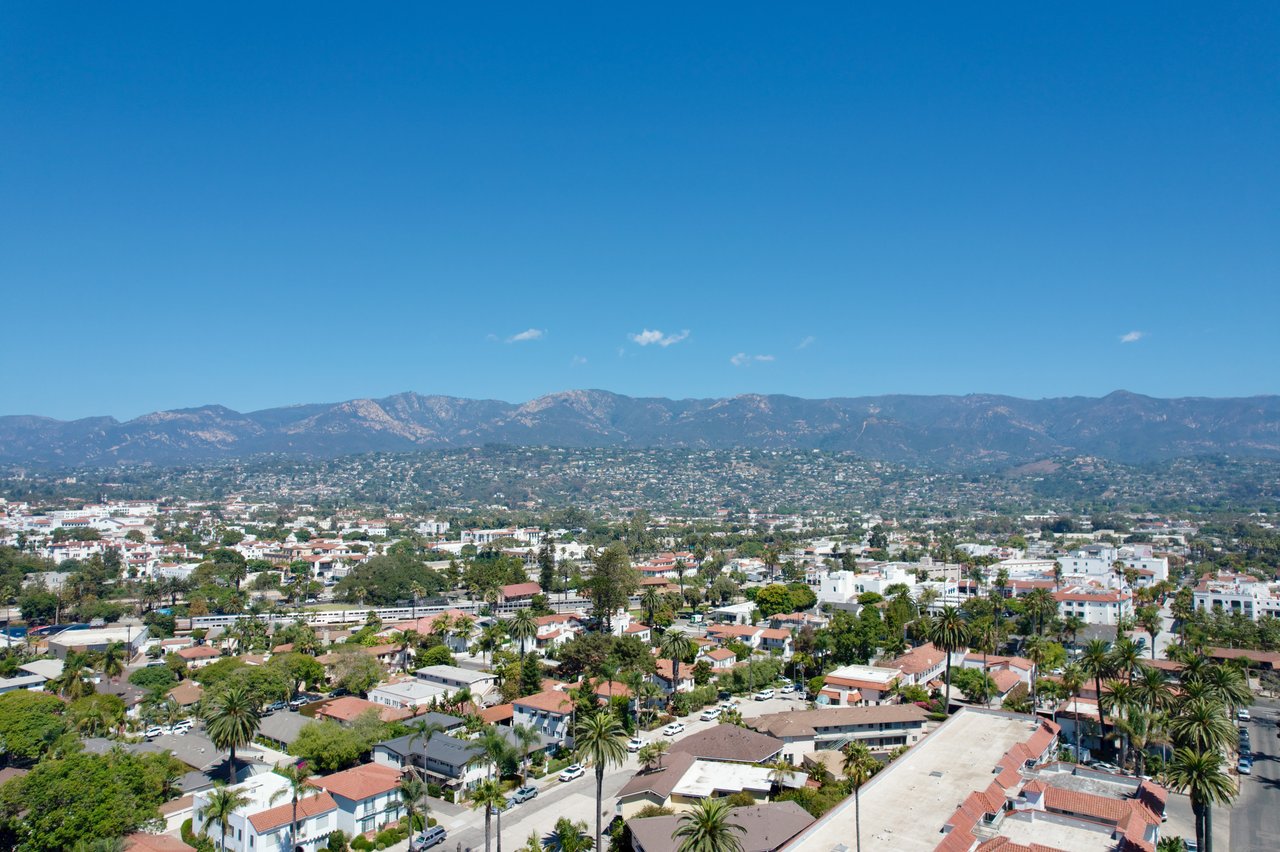
Santa Barbara’s planning documents describe Downtown as the city’s primary commercial center and a major employment center. It spans 172 acres and includes 590 existing dwelling units, with mixed-use and residential development continuing to grow.
Uptown, which the city generally frames as the Upper State Street area, covers 273 acres and includes 538 dwelling units. It is mainly a commercial corridor anchored by La Cumbre Plaza, Five Points Shopping Center, and Loreto Plaza, with some multifamily housing along its eastern edge and residential neighborhoods nearby.
In practical terms, Downtown feels more compact and urban. Uptown feels broader, more spread out, and more organized around a commercial spine with residential pockets around it.
Housing Style and Neighborhood Form
Downtown homes and buildings
Downtown includes the El Pueblo Viejo district, where the built environment reflects layers of Santa Barbara history. You will see adobes, Victorian-era homes, Spanish Colonial Revival buildings, and 1920s storefronts woven into the area.
When new housing comes to Downtown, it is often through mixed-use infill or adaptive reuse instead of large-lot subdivision. The city’s adaptive reuse approach is designed to help convert nonresidential buildings into housing, and current downtown efforts include projects such as Paseo Nuevo and Jacaranda Court.
For you as a buyer, that often means smaller footprints, condos, apartments, and historic-infill housing opportunities may be more common. If you are drawn to character, proximity, and a more urban pattern, Downtown may align well with your goals.
Uptown homes and parcels
Uptown presents a different physical layout. The city’s Upper State Street guidelines describe it as a four-lane commercial thoroughfare with residential neighborhoods on both sides, larger two- and three-story buildings in some stretches, variable setbacks, surface parking, and strong mountain-view corridors.
That usually translates into a more auto-oriented setting with a less compact feel. You may find larger parcels, more off-street parking, and greater separation between buildings and the street than you would typically expect Downtown.
This is not a fixed rule for every property. It is a general reading of the city’s planning framework, so if a specific parcel is on your shortlist, it is still important to confirm the exact site details.
Walkability, Driving, and Parking
Downtown for a car-light routine
If you want to accomplish more of your day on foot, Downtown is usually the stronger fit. The Santa Barbara MTD Transit Center at 1020 Chapala Street serves more than 10,000 passengers a day, and the State Street Promenade creates a 10-block pedestrian corridor between Sola and Gutierrez streets with no car traffic.
The city also manages Downtown parking through a mix of lots, structures, resident permits, and on-street parking rules. That does not mean parking concerns disappear, but it does mean the area is set up for a more walkable, transit-connected routine.
If your ideal day includes walking to coffee, dining, shops, museums, or evening plans, Downtown often makes that easier. It supports a lifestyle where the car may become optional for many shorter trips.
Uptown for easy driving access
Uptown tends to work better if your routine is organized around the car. The city describes Upper State Street as a four-lane commercial corridor with convenient vehicle access, and the layout is more auto-oriented than pedestrian-first.
That can be a practical advantage if you value straightforward driving routes, easier loading and unloading, or more frequent off-street parking. If driveway convenience matters more than being able to walk to nearly every errand, Uptown may feel more comfortable.
In simple terms, Downtown usually favors walkability, while Uptown usually favors driving convenience. Your answer depends on how you actually move through the week.
Lifestyle and Daily Experience
Downtown for arts, dining, and energy
Downtown is often the better choice if you want your surroundings to feel active and layered. The area is known for restaurants, theaters, museums, galleries, shopping, courtyards, paseos, and pedestrian-friendly streets.
For many buyers, that creates a built-in social rhythm. You can step out for dinner, browse shops, attend a performance, or spend part of the afternoon exploring the district without needing to plan around a car first.
If you picture Santa Barbara as a place where you can move through a lively, historic center on foot, Downtown is likely the closer match. It offers the more compact urban routine of the two.
Uptown for space and everyday convenience
Uptown often appeals to buyers who want a little more breathing room in the pattern of daily life. The area is associated with shopping plazas, family-owned restaurants, parks, and trail access, including spots like Stevens Park and Jesusita Trail.
This can create a different kind of ease. Rather than centering your day around a promenade or dense cluster of destinations, Uptown can feel more practical for errands, parking, and transitions between home, shops, and outdoor time.
If you want a setting that balances nearby amenities with a less dense street pattern, Uptown may be the better fit. It often suits buyers who value convenience, parking, and access to both commercial services and surrounding neighborhoods.
Schools and Location-Specific Details
Santa Barbara Unified serves both areas, and school assignment is address-specific. The district provides boundary maps, so if school proximity or assignment is part of your decision, it is worth confirming that information early for any home you are considering.
For reference, Downtown is close to Santa Barbara High School on East Anapamu Street and Santa Barbara Junior High on East Cota Street. That may be useful context as you compare locations, but the right next step is always to verify the exact address within district resources.
Beyond schools, it is wise to confirm the details that affect everyday comfort most. Parking setup, parcel layout, building type, and access patterns can vary significantly from one property to another in both areas.
What Future Development Could Mean
Both Downtown and Uptown are evolving, but not in the same way. Downtown’s Paseo Nuevo redevelopment proposes 313 rental homes, while Uptown’s La Cumbre area includes a roughly 680-unit mixed-use proposal at the Macy’s site and a 443-unit rental proposal at the former Sears site.
That matters because future development can shape traffic patterns, housing availability, and the feel of a district over time. If you are buying with a long view, it helps to consider not only what each area feels like today, but also what the city has in motion.
For some buyers, this signals opportunity. For others, it is simply one more reason to evaluate each property with careful, block-by-block context.
How to Choose the Right Fit
If you are deciding between the two, start with your routine rather than the label. Ask yourself where you want the friction to be lowest in daily life.
Downtown may fit you better if you want:
- Walkable access to dining, shopping, arts, and entertainment
- A more compact urban setting
- Historic character and mixed-use surroundings
- Easier transit access and less reliance on a car
Uptown may fit you better if you want:
- More parking and easier driving access
- A broader corridor with residential pockets nearby
- Proximity to plazas, parks, and trails
- A less dense day-to-day environment
In both areas, the best decision usually comes down to specifics. The exact block, parcel, parking arrangement, and building style can shape your experience just as much as the neighborhood name.
For buyers evaluating Santa Barbara at a higher level, that is where a locally grounded, property-specific search becomes especially valuable. The right home is not only about square footage or price point. It is about how the setting supports the way you want to live.
If you are weighing Uptown against Downtown, Locale Group can help you compare properties through a more detailed neighborhood lens, with clear guidance tailored to your priorities and timeline. For a private conversation, Think Locale.
FAQs
Is Downtown Santa Barbara more walkable than Uptown Santa Barbara?
- Yes. Based on city and transit information, Downtown is generally the more walkable option, with the State Street Promenade, the Transit Center, and a more compact street pattern.
Does Uptown Santa Barbara usually have easier parking than Downtown?
- In many cases, yes. Uptown’s more auto-oriented layout and surface parking pattern often make driving and parking more straightforward than in Downtown.
What kind of homes are more common in Downtown Santa Barbara?
- Downtown often includes smaller-footprint housing, mixed-use buildings, condos, apartments, and historic-infill homes, shaped by the area’s older urban fabric and adaptive reuse efforts.
What kind of housing pattern is common in Uptown Santa Barbara?
- Uptown generally features a commercial corridor with residential areas nearby, larger parcels in some locations, more setbacks, and more off-street parking than Downtown.
Are school assignments the same across Uptown and Downtown Santa Barbara?
- No. Santa Barbara Unified serves both areas, but school assignment depends on the specific property address, so boundary verification is important.
Are Downtown and Uptown Santa Barbara both changing?
- Yes. Both areas have notable proposed housing and mixed-use projects, which could influence future availability and the overall feel of each district.