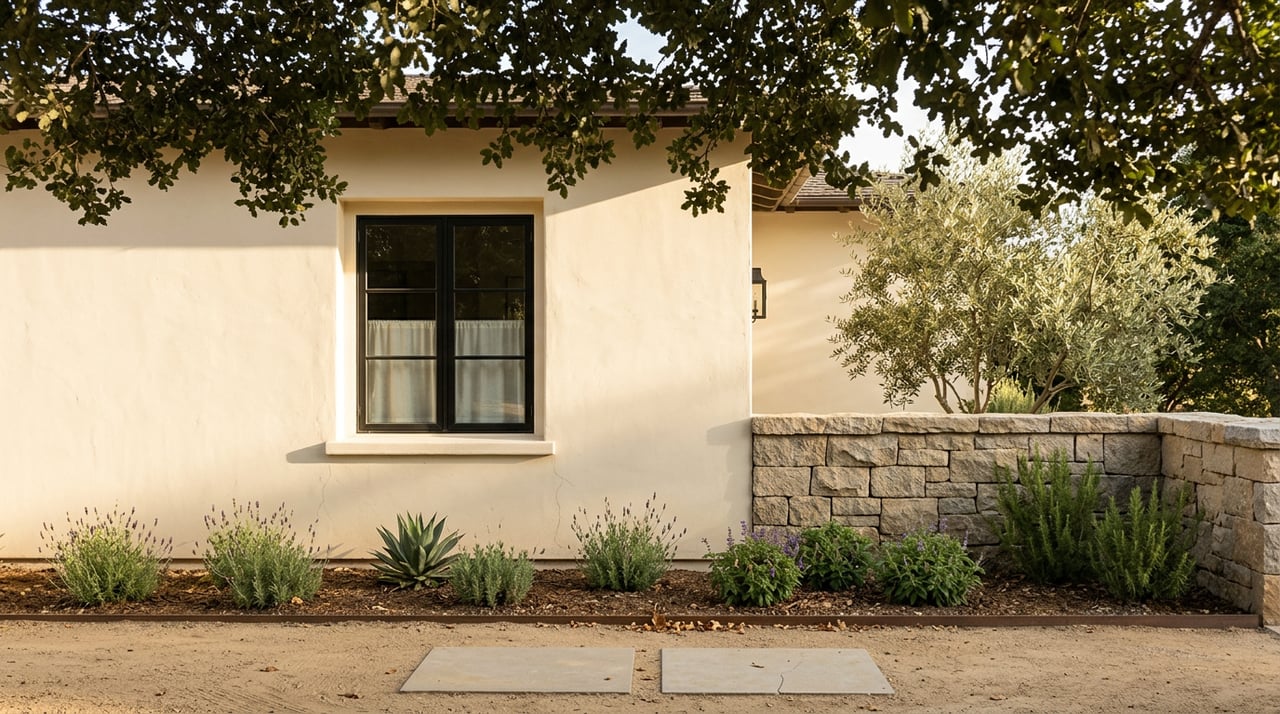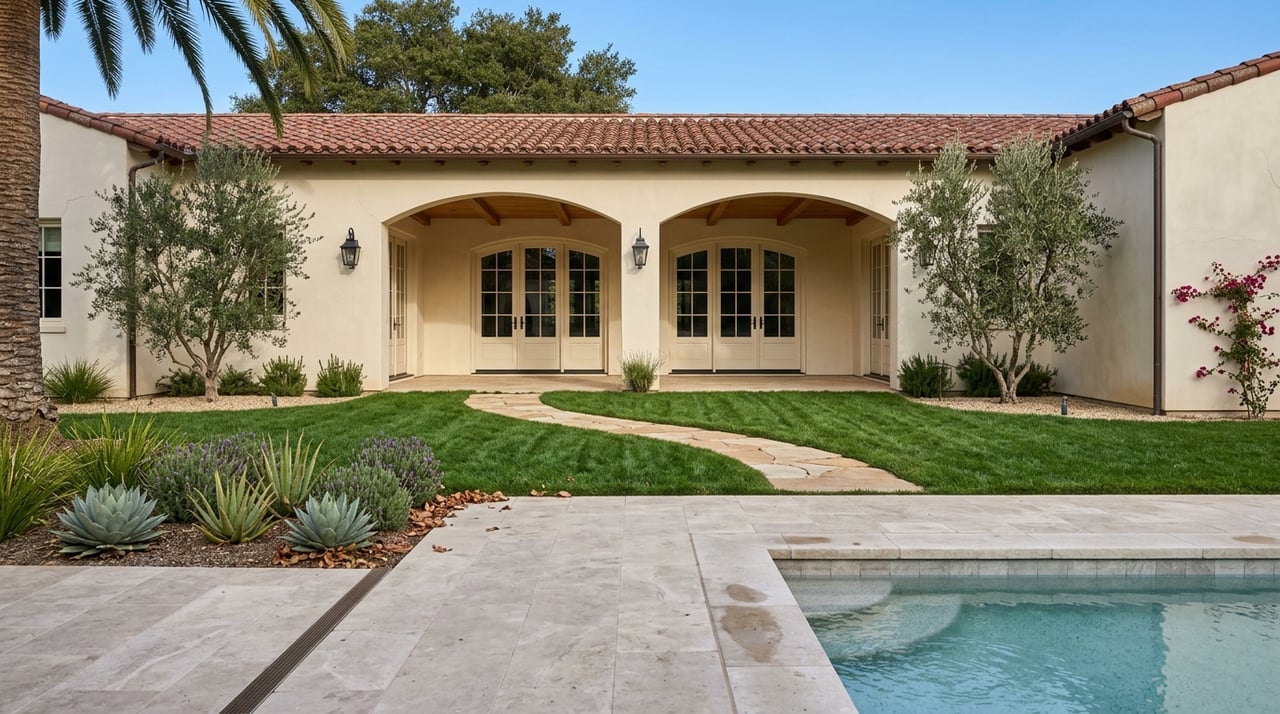
If you are drawn to Santa Barbara’s coastal estates, Hope Ranch often stands out for one reason: it offers a lifestyle that blends private beach access, equestrian infrastructure, and large-lot living in one managed residential setting. That combination can feel rare, especially if you are comparing Hope Ranch with other luxury neighborhoods in South Santa Barbara County. This guide explains how the equestrian and beach lifestyle actually works in Hope Ranch, what daily life tends to look like, and what buyers and sellers should understand before making a move. Let’s dive in.
Hope Ranch at a Glance
Hope Ranch is a long-established coastal residential community in Santa Barbara County. According to the Hope Ranch Park Homes Association, the modern neighborhood took shape after Harold Chase bought the land in 1923 and installed roads, utilities, and bridle trails.
Today, Hope Ranch includes 773 lots across 1,863 acres between Highway 101 and the ocean. The area sits on a broad mesa with low rolling knolls, a valley, live oaks, and views toward the mountains, the Santa Barbara Channel, and the Channel Islands.
That physical setting helps explain why Hope Ranch feels different from a more conventional subdivision. Its appeal is tied less to density or walkable retail and more to privacy, land, managed recreation access, and estate-scale living.
Hope Ranch Is Built Around Land and Access
One of the most important things to understand about Hope Ranch is that it functions as a governed residential enclave. Association rules and building guidelines shape how residents use private roadways, bridle-trail easements, beach access points, and residential improvements.
For you as a buyer or seller, that structure matters. It helps preserve the area’s rural character, low-density feel, and controlled access to the amenities that define the neighborhood.
This is not simply a beach neighborhood, and it is not simply a horse property neighborhood. Hope Ranch combines both, with rules and land planning designed to support that identity over time.
Equestrian Living in Hope Ranch
Bridle Trails Are Part of the Neighborhood
In Hope Ranch, the equestrian character is not just aesthetic. The trail system is built into the community’s layout, and association rules describe the area as a pedestrian and equestrian community.
Most roads are limited to 25 miles per hour, which supports a calmer residential environment. The rules also distinguish between road easements and dedicated bridle areas, reinforcing that the equestrian network is a meaningful part of daily life rather than a decorative feature.
Trail Use Is Structured
The trail system is private in function, not a public trail network. Association rules state that guest riders must be invited and accompanied by a host member unless they are riding directly to or from the member’s residence.
In addition, trails that are not on road easements are horse-only and do not allow pedestrian traffic. That detail is important because it shows how seriously Hope Ranch treats its equestrian infrastructure.
Homes Can Support Horse Use
The building guidelines align with that lifestyle. Accessory structures commonly include barns, stables, corrals, paddocks, garages, storage buildings, pool houses, and guest houses, as long as they remain subordinate to the main residence and architecturally compatible with it.
That gives many properties the flexibility to support horse use and other estate-style improvements. It also helps explain why Hope Ranch often appeals to buyers looking for more than just a house near the coast.
Estate Properties Reflect Everyday Practicality
Hope Ranch homes are also planned for practical use at a larger scale. The guidelines call for each residence to have a garage for at least two cars, plus at least four additional off-street parking spaces.
That requirement fits the rhythm of larger properties where owners may accommodate guests, service access, recreational uses, or equestrian-related needs. In short, the built environment is designed for spacious living rather than compact efficiency.
Beach Life in Hope Ranch
Beach Access Is Resident-Oriented
The beach experience in Hope Ranch is centered on an association-controlled Beach Park and picnic grounds system. This is one of the features that gives the neighborhood a distinct coastal routine.
Beach access is treated as a resident privilege, with controlled guest procedures. Guests must be accompanied by the host member, are checked in at the beach gate, and larger groups may require prior approval.
Gatherings Follow Clear Rules
If you picture casual but orderly resident use, that is consistent with the rules. More than ten guests is treated as a party requiring approval, and weekend or holiday picnic-area gatherings are capped at 50 attendees per area unless management approves more.
These rules suggest a beach culture focused on household use, resident-hosted social time, and smaller gatherings rather than open public activity. For many buyers, that structure is part of the appeal.
Seasonal Beach Etiquette Matters
Hope Ranch also has seasonal rules that shape how the beach is used. From Memorial Day weekend through September 30, horses are not allowed in the main beach-use area.
During that same period, dogs must be leashed in the main area, with designated off-leash zones beyond marked points. These policies help organize shared use during busier seasons while preserving the beach as a managed amenity for residents.
The Broader Recreation Story
Country Club Access Adds Another Layer
Hope Ranch’s lifestyle is not limited to beach and bridle trails. La Cumbre Country Club, located in Hope Ranch, is a private membership club with golf, six championship plexi-pave tennis courts, an aquatics area, a fitness center, and outdoor dining.
That matters if you are evaluating the neighborhood as a full-time residence or second-home location. It adds another established recreational option that complements the community’s coastal estate setting.
What the Homes and Lots Feel Like
Lot Shapes and Acreage Create Variety
Hope Ranch includes irregularly shaped lots that vary in acreage. Combined with the area’s rolling topography and mature natural features, that creates a more varied, estate-like streetscape.
You are less likely to find a repetitive grid or tightly packed housing pattern here. Instead, the neighborhood tends to feel open, private, and visually shaped by land rather than by uniform lot planning.
Building Rules Reinforce the Estate Character
The building guidelines emphasize setbacks, screened structures, hooded lighting, and single-family use. Those standards support a more cohesive physical character across the neighborhood.
They also point to a housing environment built around custom homes on larger parcels. Many properties have the space for additional improvements such as pools, guest accommodations within association limits, and equestrian facilities.
Guest House Rules Are Specific
For buyers comparing estate properties, guest house rules are worth understanding. A guest house may be permitted, but the guidelines limit it to one story and up to 800 square feet, with no kitchen, and it is intended for temporary non-paying guests only.
That is a meaningful detail because it helps set expectations for how accessory living space can be used. In a neighborhood like Hope Ranch, these rules shape both lifestyle and long-term property planning.
Ownership Use and Rental Structure
Hope Ranch is primarily organized around single-family residential use. Association rules prohibit rentals of less than 30 days and require rentals to remain for single-family residential use.
The rules also state that members lose access to recreational facilities, including the Beach Park, while a lot is rented. Together, these standards support a lower-turnover, more owner-oriented residential environment.
For buyers, that can affect how you think about second-home use or long-term planning. For sellers, it is part of the neighborhood story that often matters to lifestyle-driven purchasers.
What This Means for Buyers and Sellers
If you are considering Hope Ranch, the key takeaway is that its lifestyle is highly specific. You are not just buying ocean proximity or a large home. You are buying into a residential structure built around private access, equestrian circulation, land use standards, and managed recreation.
That can be a strong fit if you value privacy, space, and a more regulated estate environment. It also means due diligence matters, because the details of trails, beach use, guest access, accessory structures, and rental limitations can influence how well a property fits your goals.
For sellers, these same features are often central to effective positioning. Buyers are typically responding not only to architecture and views, but also to how a property participates in the broader Hope Ranch lifestyle.
If you are evaluating a Hope Ranch purchase or preparing to position a property for sale, Think Locale offers discreet, high-touch guidance grounded in South Santa Barbara County expertise.