If you are drawn to coastal places with a strong sense of identity, Summerland stands out right away. This small Santa Barbara County community blends beach access, cottage-scale homes, antiques, and a village-like main street into a lifestyle that feels both relaxed and distinctive. If you are wondering what it is really like to spend time or own a home here, this guide will walk you through the setting, daily rhythm, and character that define Summerland. Let’s dive in.
Why Summerland Feels Different
Summerland is an unincorporated community in Santa Barbara County, set between Santa Barbara and Carpinteria. It is small by design and scale, with 1,222 residents counted in the 2020 Census and 740 housing units. That modest footprint shapes nearly everything about the experience of being here.
Unlike larger coastal communities with broader commercial districts or more formal downtowns, Summerland feels like a compact village. The commercial core is centered on Lillie Avenue near Highway 101 and stretches about five blocks, roughly one block deep on either side. Within that small area, you get a mix of restaurants, gift shops, bed-and-breakfast inns, and antique shops that give the town its easy, browse-and-stay-awhile feel.
There is also a civic identity that feels personal rather than distant. The Summerland Citizens’ Association remains an active local voice through meetings, events, and community communication. That helps explain why Summerland often feels less like an anonymous pass-through and more like a place where neighborhood character matters.
Cottage Character Runs Deep
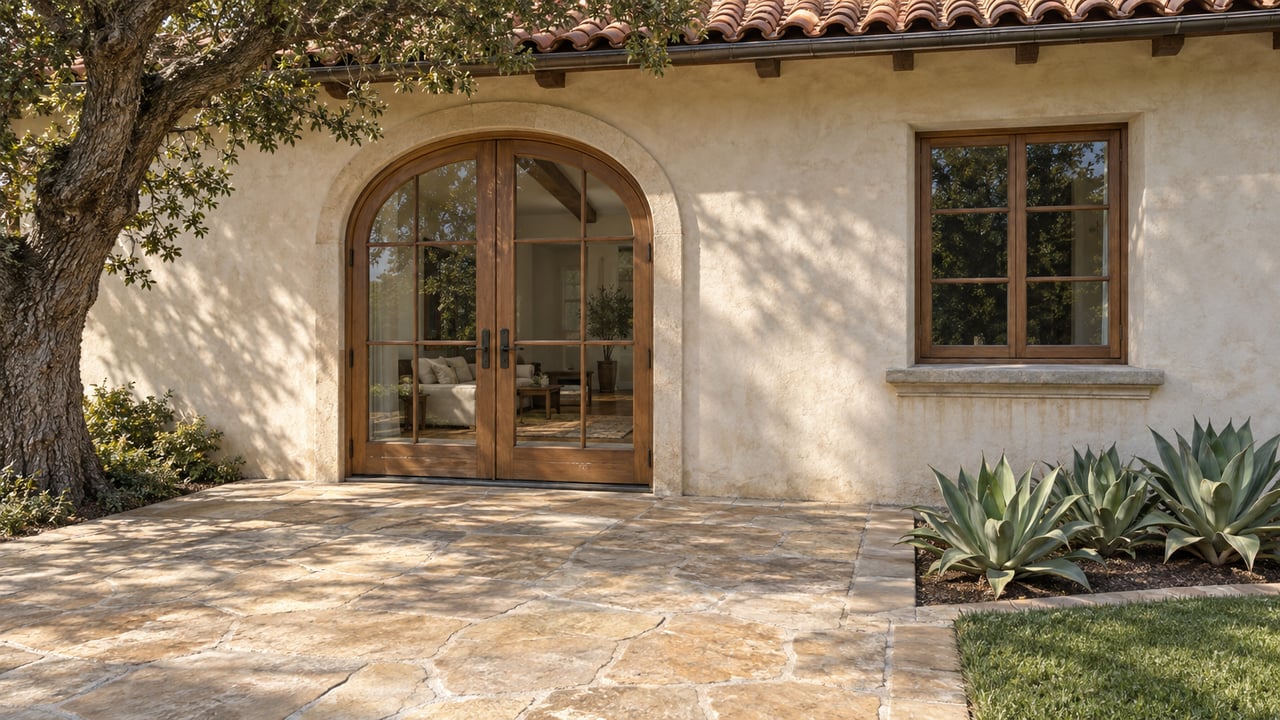
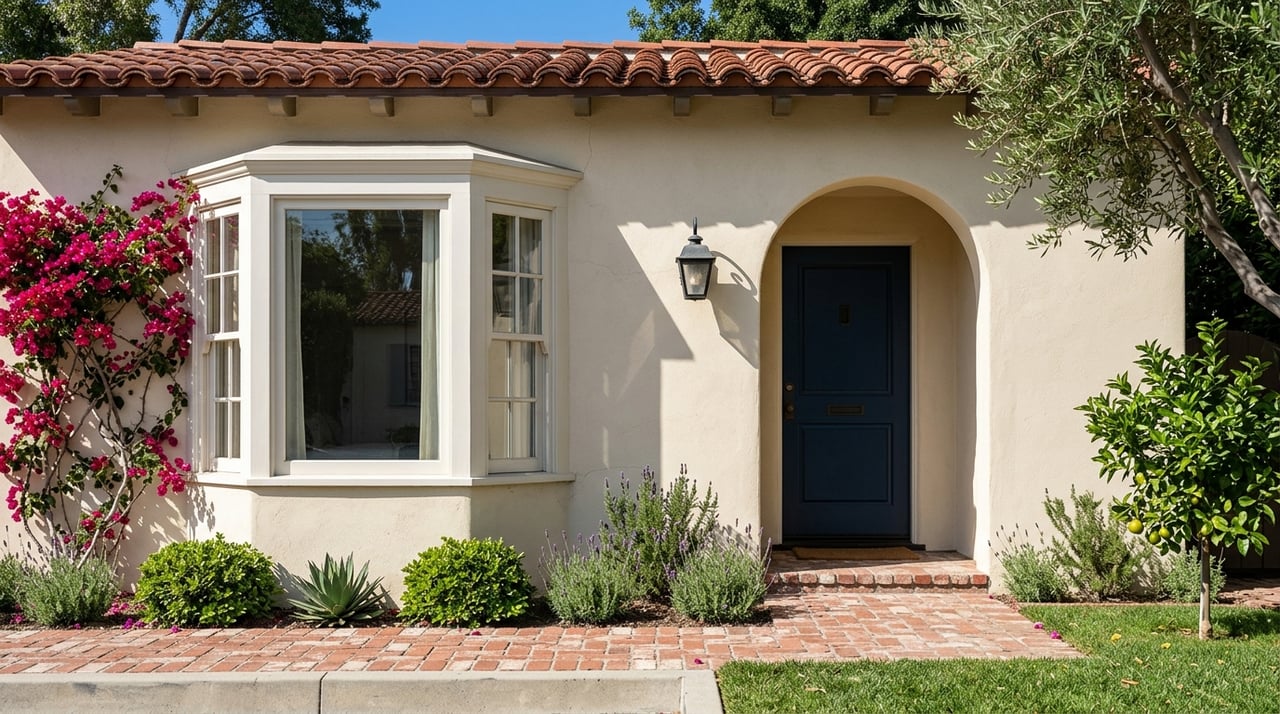
Summerland’s cottage feel is not a recent branding idea. It goes back to the town’s origins in 1888, when it was first subdivided as a spiritualist community. Many of the original lots were generally just 25 by 50 feet, planned to accommodate tents on steep slopes above what is now Highway 101.
That original pattern still matters today. Santa Barbara County notes that the small lots and steep terrain continue to make building challenging in some areas. For you as a buyer or homeowner, that means the built environment tends to stay intimate, varied, and lower in scale than in many other coastal markets.
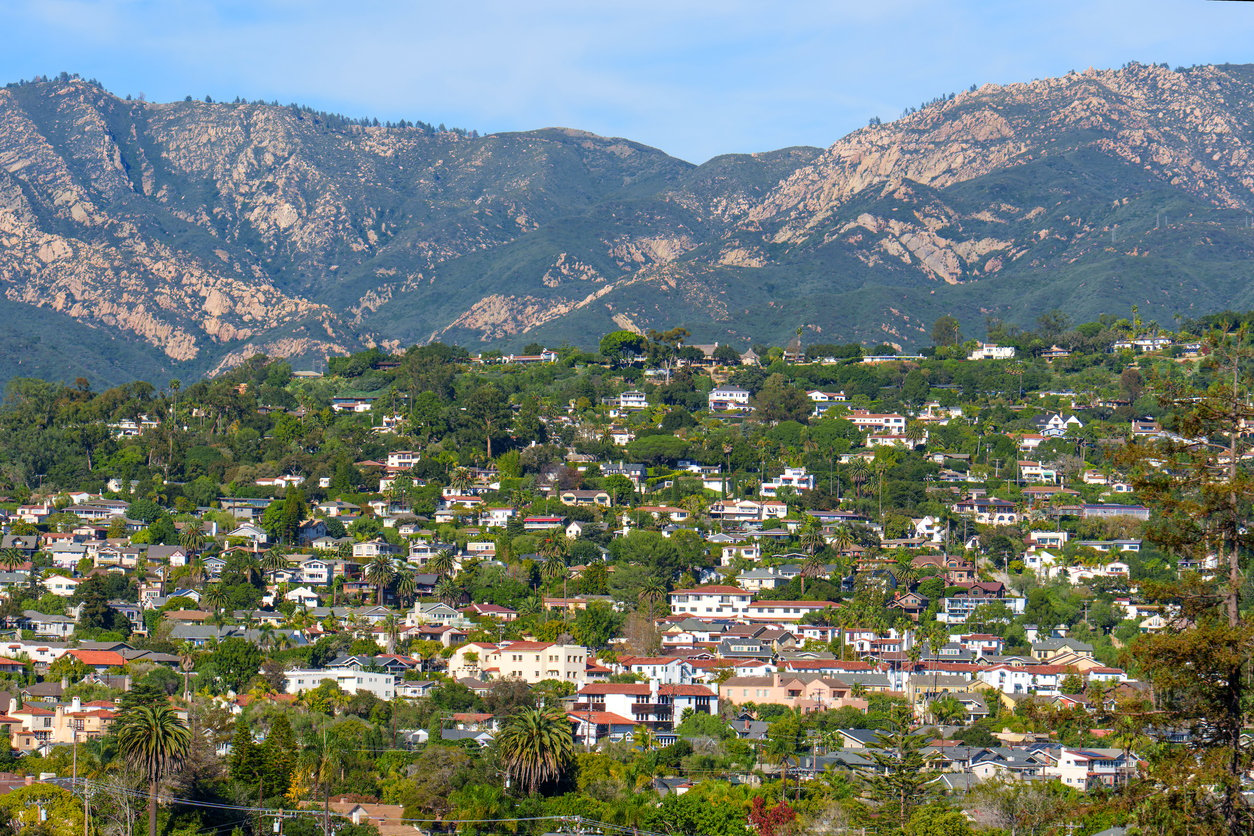
County policy reinforces that character. Summerland sits on a narrow shelf between the ocean and mountains, and local planning places strong emphasis on protecting public views, preserving neighborhood character, and keeping building scale low. Current county standards include maximum heights of 22 feet in the urban area and 16 feet in the rural area.
The result is a town where homes and buildings often feel visually connected to the landscape rather than oversized within it. If you appreciate places that still read as human-scale and coastal rather than overbuilt, that is a meaningful part of Summerland’s appeal.
A Walkable Core With Daily Conveniences
One of Summerland’s strengths is that daily life can be simple. The county says residents can walk or bike to the local commercial area or shoreline, and a regional bike path connects Summerland to Santa Barbara and Carpinteria. For such a small place, that creates a practical rhythm that goes beyond weekend tourism.
The commercial core has also benefited from public improvements. The county notes that a major streetscape project added sidewalks, curb ramps, formalized parking, crosswalks, bike lanes, a sheltered transit stop, landscaping, retaining walls, and street lights. These updates support a more usable and comfortable main corridor without changing the village feel.
That said, Summerland is not uniformly polished in the way some larger coastal communities are. Outside the commercial core, many residential streets are narrow and steep, and curbs, gutters, and sidewalks are often absent. For many people, that semi-rural texture is part of the charm, but it also helps explain why parking and pedestrian circulation can be ongoing local topics.
Antiques Shape the Town’s Identity
Shopping is central to Summerland’s personality, and antiques are a big part of that story. The town is known for antique, home-goods, and retail shopping along Lillie Avenue and Ortega Hill Road. For many visitors, that is one of the first things they notice.
Representative stops highlighted by Visit Santa Barbara include Summerland Antique Collective, Mary Suding Antiques, The Well, Botanik, Sacred Space, and Godmothers. Together, these businesses help create a browsing culture that feels curated rather than hurried. You can spend an afternoon moving from one cottage-like storefront to the next and still feel like you have only scratched the surface.
This antique and design culture also fits naturally with Summerland’s architecture. Older buildings, compact storefronts, and a slower pace make the retail experience feel more personal. It is one reason Summerland often appeals to buyers who value texture, character, and a less standardized coastal lifestyle.
Coast, Park, And Outdoor Rhythm
For a town of its size, Summerland offers unusually direct access to the coast. Lookout Park serves as the main public gateway to Summerland Beach and includes barbecue pits, picnic tables, a volleyball court, and a children’s playground. From there, you can walk down to the sand or continue south on foot toward Loon Point.
That easy connection between village and shoreline shapes the mood of the community. It is not the kind of place where the beach feels separate from everyday life. Instead, the coast is woven into the daily routine, whether that means an early walk, a casual picnic, or time outside before or after a stop in town.
Summerland also stands out on the Santa Barbara South Coast for a unique reason. Visit Santa Barbara says it is the only place on the South Coast where horseback riding on the beach is available. That adds another layer to the lifestyle here and reinforces the sense that Summerland is coastal, relaxed, and a little different from its neighbors.
Cafes And Casual Dining
Summerland’s food scene matches the town itself. It is low-key, approachable, and rooted in places that feel local rather than overly formal. Visit Santa Barbara describes Summerland as a destination for browsing, shopping, antiquing, wine tasting, outdoor adventure, and unfussy dining.
Notable everyday spots include Summerland Beach Café, The Nugget Bar & Grill, Tinker’s Burgers, Red Kettle Coffee, Feast at Field + Fort, and Dart Coffee Co. These are the kinds of places that support a routine, not just an itinerary. You can picture coffee in the morning, a casual lunch after errands, or an easy dinner without leaving the neighborhood.
Field + Fort is especially telling in lifestyle terms because it is set in a residential-style cottage on the east end of Lillie Avenue. That blend of home-like setting and commercial use captures Summerland well. The town often feels like a place where daily life happens inside spaces that still retain a domestic, historic scale.
Historic Buildings Still Matter
Part of Summerland’s appeal is that it does not feel newly manufactured. The reuse of older buildings helps preserve the town’s visual continuity and reinforces its historic-cottage atmosphere. Santa Barbara County identifies the former Omelette Parlor Building as today’s Summerland Beach Café, a small but telling example of adaptive reuse that fits the community’s character.
There is also a long-running local design culture here. The Summerland Board of Architectural Review was created by residents in 1974 to help give the community a voice in preservation and design, and county policy says new development should be compatible with Summerland’s architectural character. For you, that means design is not treated as an afterthought.
This matters in practical terms for both buyers and sellers. In a town where scale, views, and architectural fit are closely watched, presentation and planning carry extra weight. Summerland rewards properties that feel aligned with the landscape and neighborhood pattern around them.
Weekend Escape Or Full-Time Neighborhood?
One of the most interesting things about Summerland is that it can read as both. Census data shows that one in five housing units was vacant in 2020, which may support the town’s weekend-cottage or secondary-home feel, though the census does not explain the vacancy mix. At the same time, the infrastructure, civic life, and local routine suggest a real full-time community.
The Summerland Citizens’ Association calendar helps fill in that picture. Recurring potlucks, town halls, Coastal Cleanup participation, Greenwell Preserve events, and fire-wise meetings point to a socially active and civically engaged community. This is not only a scenic stop along the coast. It is also a place where neighbors show up.
For buyers, that dual identity can be especially appealing. If you are looking for a home that feels like a retreat without becoming isolated, Summerland offers that balance. You get a village atmosphere, beach access, and a recognizable local rhythm in a setting that still feels intimate.
What Buyers Should Notice
If you are considering a home in Summerland, the lifestyle cues are as important as the square footage. This is a market where lot pattern, slope, walkability, and outdoor usability all shape the experience of living there. The town’s character comes from its compact scale, lower-rise built form, and close relationship to the coast.
A few features often matter more here than they might elsewhere:
- Access to Lillie Avenue and the commercial core
- Proximity to beach access and Lookout Park
- How a home fits the neighborhood’s scale and setting
- Outdoor spaces that make the most of the climate and views
- Parking and circulation on narrow or sloped streets
Because the town’s original lots are small and the slopes can be steep, not every property functions the same way. Understanding how a specific home lives day to day is often just as important as understanding its finish level.
What Sellers Should Keep In Mind
For sellers, Summerland is a place where thoughtful presentation matters. The county’s emphasis on low scale, public views, neighborhood character, and design compatibility means buyers are often responding to more than interiors alone. They are also noticing how a property sits within the street, the hillside, and the broader village setting.
In practical terms, that can make outdoor usability, visual balance, and overall scale especially important. Additions, remodels, parking, and massing can all be shaped by the town’s original lot pattern, steep slopes, and design review culture. A polished sales strategy in Summerland should reflect those realities rather than treat the home like a generic coastal listing.
For owners of distinctive cottages, view-oriented homes, or second residences, clear positioning can make a meaningful difference. Summerland buyers are often drawn to nuance, atmosphere, and authenticity, so the story of the property matters alongside the property itself.
Summerland offers something increasingly rare on the California coast: a place that still feels small, specific, and grounded in its own history. If you are exploring a purchase or considering a sale here, local context matters because the town’s scale, design standards, and everyday rhythm all shape value in ways that are highly specific to this market. When you want discreet guidance rooted in South County knowledge, Think Locale can help you navigate Summerland with clarity and care.
FAQs
What makes Summerland different from Montecito or Carpinteria?
- Summerland is a smaller, village-like coastal community with a compact antiques and dining corridor, cottage-scale development, and direct beach access that creates a distinct small-town rhythm.
How walkable is the Summerland commercial area?
- The core along Lillie Avenue is compact and practical for walking, with sidewalks, crosswalks, bike lanes, and nearby access to shops, dining, and the shoreline.
What types of homes are common in Summerland?
- Summerland is known for cottage-scale homes and lower-rise residential development shaped by small original lots, steep slopes, and county standards that keep building scale modest.
Does Summerland feel more like a vacation spot or a full-time community?
- It has elements of both, with some signs of a second-home or weekend-cottage presence alongside an active local civic culture and day-to-day neighborhood life.
Why do design and scale matter so much in Summerland real estate?
- County policy emphasizes view protection, neighborhood character, and low-scale building, and the community has a long-standing design review culture that influences how properties fit into the town.
Is beach access easy in Summerland?
- Yes. Lookout Park is a main public access point to Summerland Beach, with picnic areas, a playground, and a path to the sand and toward Loon Point.