Senate Passes 21st Century ROAD to Housing Act Addressing National Inventory Shortage
On March 12, 2026, the United States Senate passed the 21st Century ROAD to Housing Act in a significant 89-10 bipartisan vote. This legislation represents a federal effort to lower costs for homebuyers and renters by targeting institutional investors and removing long-standing barriers to new construction. Lawmakers designed the bill to prioritize individual ownership in the residential market.

Federal Strategy Focuses on Inventory and Investor Limits
A primary objective of the 21st Century ROAD to Housing Act is the regulation of large-scale corporate activity in the single-family housing sector. A central component of the legislation is a new restriction on institutional investors, defined as any for-profit entity with investment control over 350 or more single-family homes.
These entities are now prohibited from acquiring additional existing single-family properties on the open market. While existing portfolios are grandfathered and new construction remains permitted, this measure aims to prevent large corporations from outbidding individual families for the current housing stock.
Beyond acquisition limits, the bill addresses the rising trend of build-to-rent (BTR) communities. While developers can still construct these neighborhoods, the law requires them to sell the homes to individual buyers within seven (7) years. This provision includes a right of first refusal for current tenants, meaning the people living in the homes have the legal priority to purchase them before they are listed for the general public.
Understanding the Regulatory Framework and Mechanisms
The legislation relies on several core reforms to change how housing is built and financed. These mechanisms aim to reduce the time and cost associated with bringing new units to market:
-
NEPA Streamlining: The National Environmental Policy Act (NEPA) requires environmental reviews for projects receiving federal support. The new act creates "categorical exclusions" for smaller infill and affordable projects, allowing them to bypass review periods that often add time to construction. (Sec. 207-Sec. 208)
-
Public Welfare Investment Cap: Federal law previously limited the amount of capital banks could invest in community development and affordable housing. This bill raises that cap from 15% to 20%, allowing for more private funding for local projects. (Sec. 204)
-
Manufactured Housing Chassis Reform: Federal standards previously required manufactured homes to be built on a permanent steel frame or "chassis." By removing this requirement, the bill allows factory-built homes to be placed on traditional foundations, making them compatible with existing residential neighborhoods. (Sec. 301)
These combined regulatory shifts focus on removing the bureaucratic and financial hurdles that have historically slowed the pace of residential development.
Local Implications for Santa Barbara Real Estate
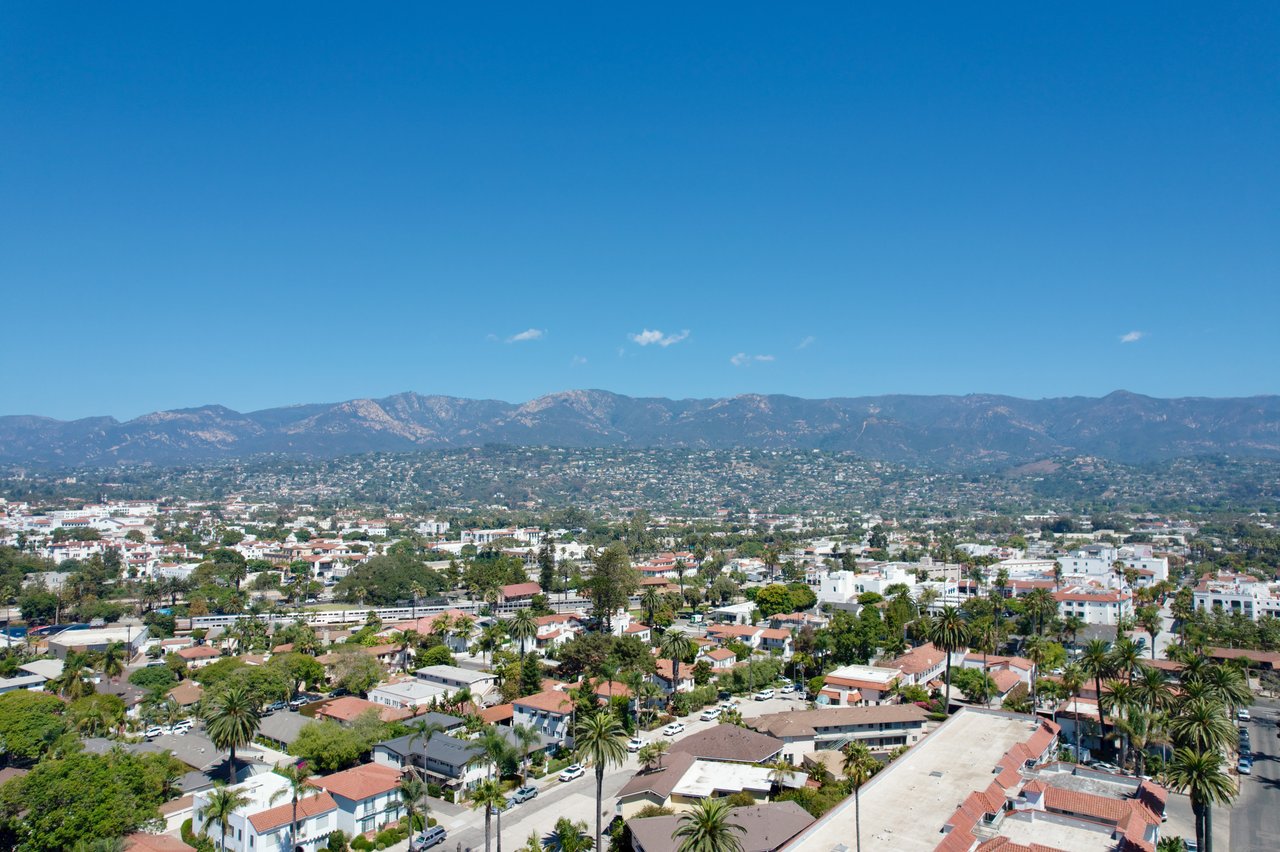
Santa Barbara is a supply-constrained market, and the passage of the 21st Century ROAD to Housing Act introduces several variables for the local area. Because the county has a limited buildable land space, the restrictions on large institutional investors affect the pool of potential buyers for existing single-family homes. This shift limits large corporate entities in the bidding process, changing the competitive landscape for individual residents seeking to purchase property.
The bill also offers financial incentives to cities that update local codes. Santa Barbara could be eligible for federal grants aimed at planning and implementation if the city chooses to adjust building requirements to allow for more density. Furthermore, the permanent authorization of Community Development Block Grant Disaster Recovery (CDBG-DR) funds provides a structured federal framework for rebuilding efforts following local emergencies. (Sec. 501 – Reforming Disaster Recovery Act)
Accountability and the Path to Implementation
The 21st Century ROAD to Housing Act is a policy-driven bill rather than a spending package. It emphasizes performance-based results by tying certain federal grants, like CDBG, to actual housing production. Cities that meet or exceed specific rates of housing improvement may see their funding increased.
While the Senate vote is a significant milestone, the Senate-amended bill now awaits House action. This process may involve a conference committee to address noted opposition in the House. Real estate professionals and residents should watch for the final version of the text, as these federal shifts are poised to influence the landscape of homeownership and development across the Central Coast.
Navigate the Market with The Locale Group
The impact of federal legislation on local neighborhoods requires careful analysis and a deep understanding of the Santa Barbara landscape. The Locale Group provides the data and local expertise necessary to interpret these changes as they happen.
Get in touch with our team to discuss current market trends or how these new regulations may affect your property goals. Staying informed is the first step toward a successful real estate strategy.

M: (805) 284-3660
E: [email protected]