California’s housing shortage has pushed Sacramento to adopt increasingly aggressive laws designed to encourage housing production, and one of the most consequential is the state’s Density Bonus Law.
For communities like Santa Barbara, where architectural review, neighborhood character, and design standards have long shaped development, the law is creating both opportunity and tension.
So what exactly is California’s Density Bonus Law, and why are smaller, design-conscious communities paying close attention?
What Is the Density Bonus Law?
California’s Density Bonus Law (Government Code §§ 65915–65918) was created to incentivize developers to build affordable housing by offering valuable concessions in return. If a qualifying project includes a required percentage of affordable units, developers may receive benefits such as:
-
Additional residential units above what zoning would normally allow
-
Reduced parking requirements
-
Concessions from development standards
-
Waivers from local zoning rules that physically prevent the project from being built
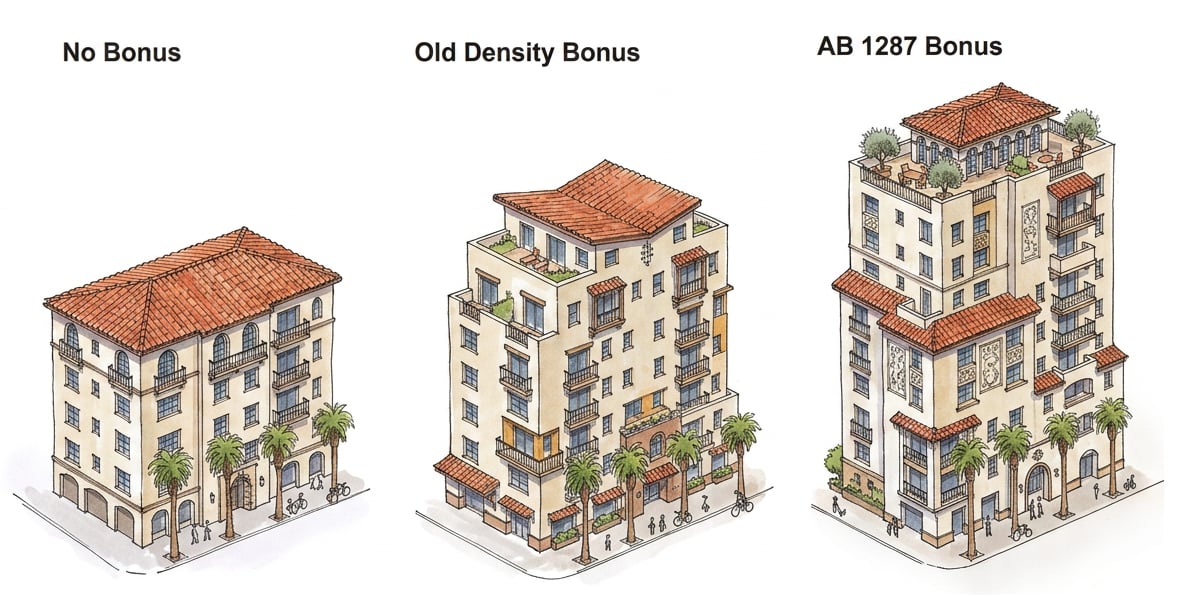
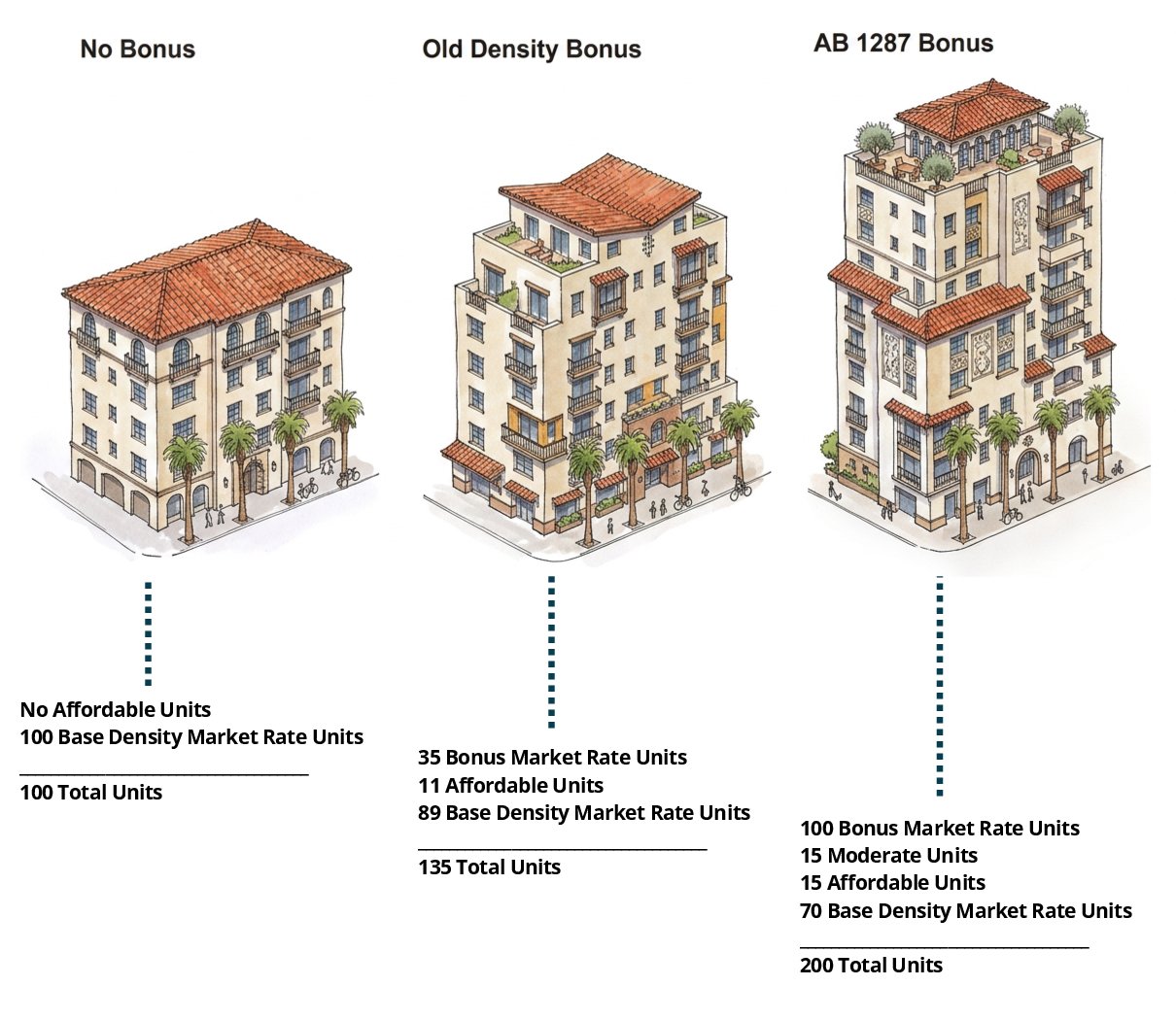
In practical terms? A project that might otherwise be limited to 10 units could potentially build 15, or even more, depending on affordability levels and eligibility. The California Department of Housing and Community Development makes clear that qualifying jurisdictions are obligated to grant these benefits unless limited statutory exceptions apply.
Recent legislative expansions have made the law even more powerful, increasing incentives for projects that include deeper affordability commitments.
Why This Matters in Places Like Santa Barbara
Santa Barbara is not Los Angeles.
This is a community where architectural consistency, historic preservation, scale, neighborhood compatibility, and environmental sensitivity have long shaped the approval process. Projects often undergo extensive review to ensure they align with local design standards and community character.
That local control is increasingly colliding with state housing law.
Under Density Bonus provisions, developers may request relief from standards involving:
-
Building height
-
Setbacks
-
Open space requirements
-
Parking minimums
-
Massing constraints
If those local rules would prevent a qualifying affordable housing project from being economically feasible, cities may be required to grant waivers. For communities with rigorous review boards, this can feel like a fundamental shift in authority.
The Local Design Tension
Santa Barbara’s identity is deeply tied to thoughtful architecture.
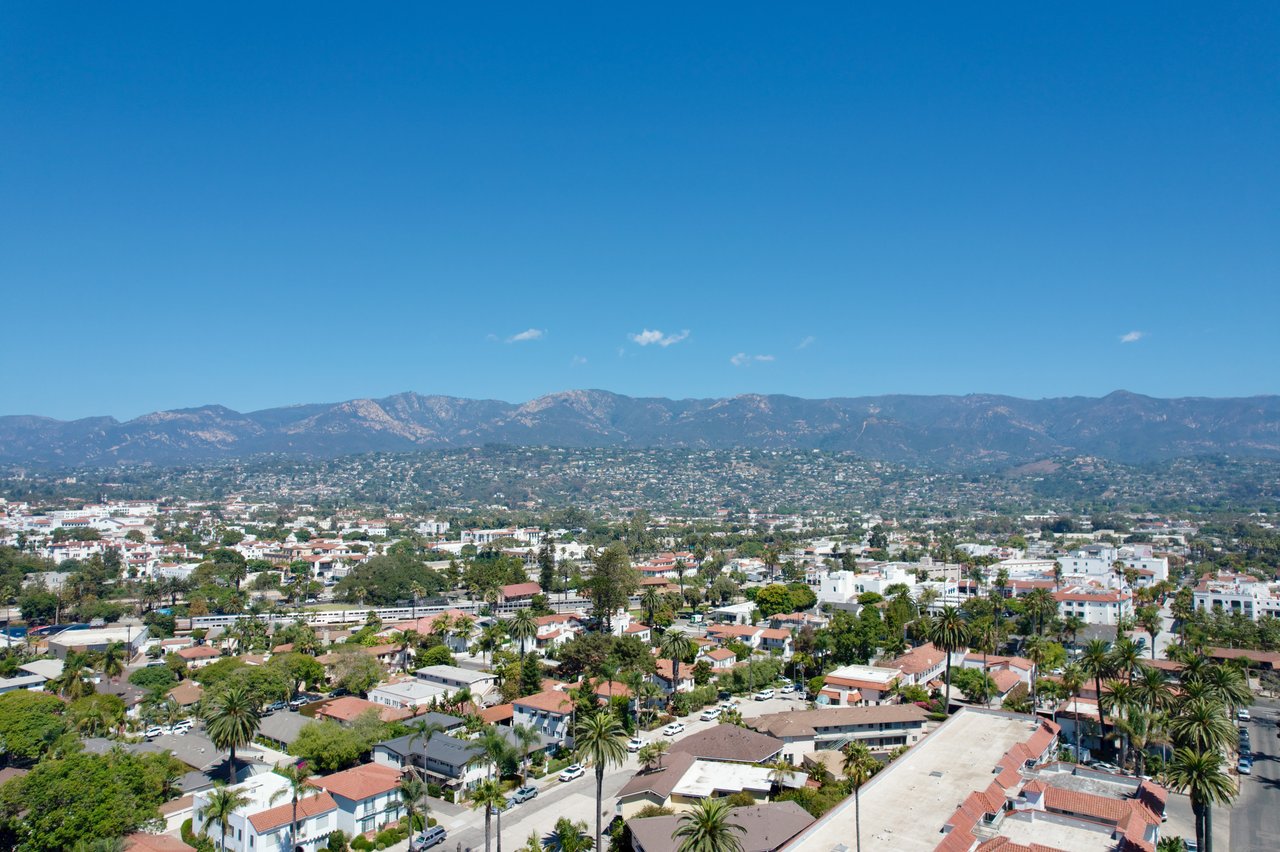
The red tile roofs, white stucco walls, pedestrian scale, historic preservation overlays, and neighborhood-specific design expectations are not accidental, they are part of a carefully curated civic identity. The Santa Barbara Architectural Board of Review (ABR) preserves the city's architectural character through its review and approval of applications for nonresidential & multi-unit residential development.
The concern many residents and planners raise is straightforward:
Can a city preserve architectural character if state law overrides core local development standards?
That tension is especially pronounced in smaller cities where development is highly visible and where infrastructure, parking, evacuation planning, and neighborhood scale are already active concerns.
Critics argue that broad state mandates may create unintended consequences:
-
Buildings out of scale with surrounding neighborhoods
-
Increased parking pressure
-
Reduced architectural cohesion
-
Less predictable approval outcomes
-
Erosion of local planning authority
Supporters counter that California’s housing crisis requires precisely this kind of intervention. Their argument: local control, while valuable, has often contributed to decades of underbuilding.
Santa Barbara’s Housing Pressure Is Real
To be fair, Santa Barbara is facing real housing strain.
Affordability remains one of the region’s most significant challenges, with workforce housing shortages affecting teachers, healthcare workers, hospitality employees, and young professionals.
The City of Santa Barbara has already embraced housing incentive strategies, including making its Average Unit-size Density (AUD) Program permanent, signaling a broader shift toward higher-density housing solutions.
The larger question is no longer whether housing policy will evolve. It’s how communities adapt without losing the character that makes them desirable in the first place.
What Property Owners and Buyers Should Know
For homeowners, investors, and developers, Density Bonus Law changes the development conversation.
A parcel once dismissed as too constrained may now offer unexpected potential.
For neighboring property owners, proposed projects may look very different from what local zoning alone would suggest.
For buyers evaluating land or redevelopment opportunities, understanding state housing overlays is increasingly just as important as understanding local zoning.
Because in California today, local zoning is no longer the whole story.
The Bottom Line
California’s Density Bonus Law reflects a major philosophical shift in housing policy: from local discretion toward state-mandated housing production.
For cities like Santa Barbara, the challenge is finding a workable balance between urgently needed housing and preserving the architectural integrity and neighborhood character that define the community.
This conversation is far from over—but one thing is certain, the rules shaping California real estate are changing quickly.
Helping Clients Stay Ahead of Industry Shifts
As the real estate industry continues to evolve, working with experienced professionals who understand both national market shifts and local dynamics remains essential. At Locale Group, our team stays informed on industry developments that affect buyers and sellers, helping clients navigate changing marketing strategies, listing exposure, and competitive market conditions across Santa Barbara and Montecito with confidence and clarity.

M: (805) 284-3660
E: [email protected]