Dreaming of a wine‑country retreat where privacy, acreage, and design meet a true sense of place? If you are exploring a second home or estate outside the city, the Santa Ynez Valley offers a refined rural lifestyle with vineyards, equestrian culture, and boutique hospitality. In this primer, you will learn how each town lives, what property types are common, and the key due‑diligence items that matter before you buy. Let’s dive in.
Why the Santa Ynez Valley
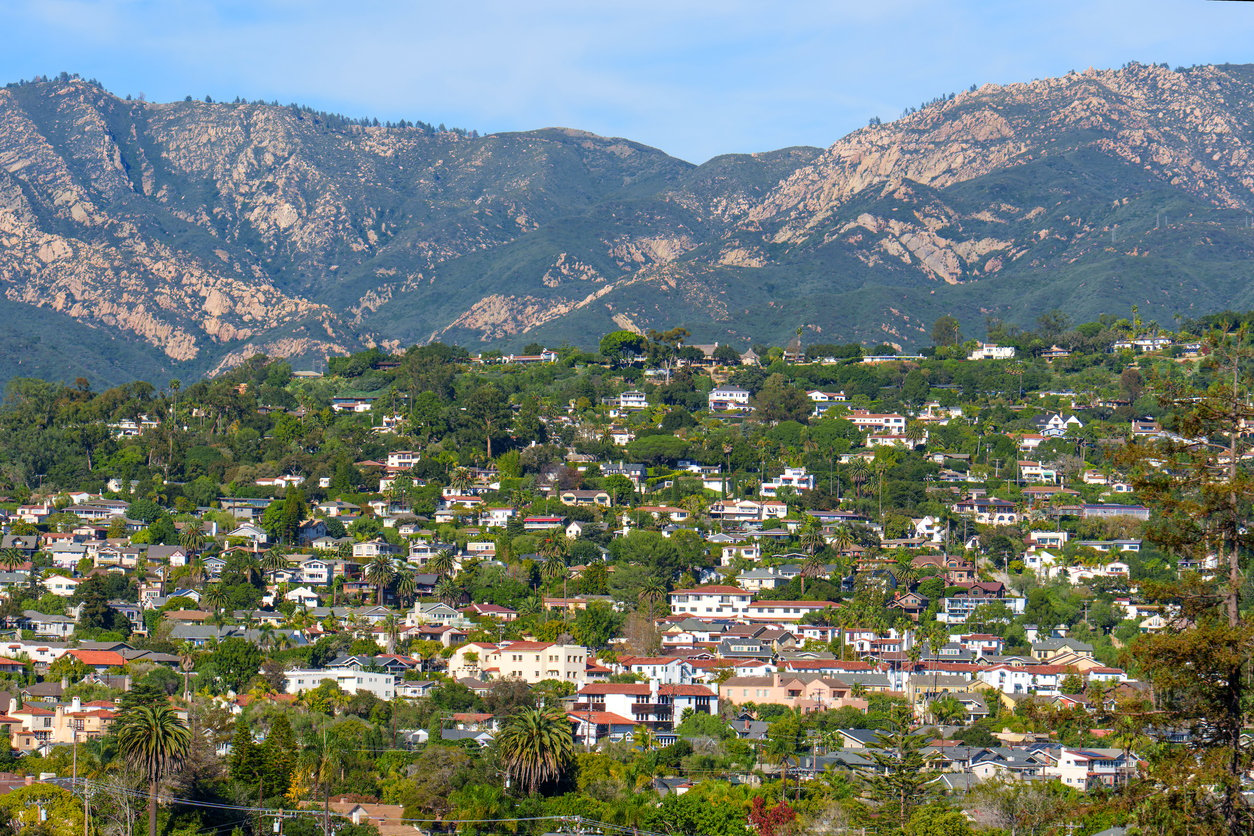
Set in northern Santa Barbara County, the Santa Ynez Valley is an inland, predominantly rural corridor with a Mediterranean climate. Warm, dry summers and cool, wet winters create pronounced microclimates across the valley. That variety supports a major wine‑growing region that includes the broader Santa Ynez Valley AVA and sub‑regions like Sta. Rita Hills, Happy Canyon, and the Los Olivos District.
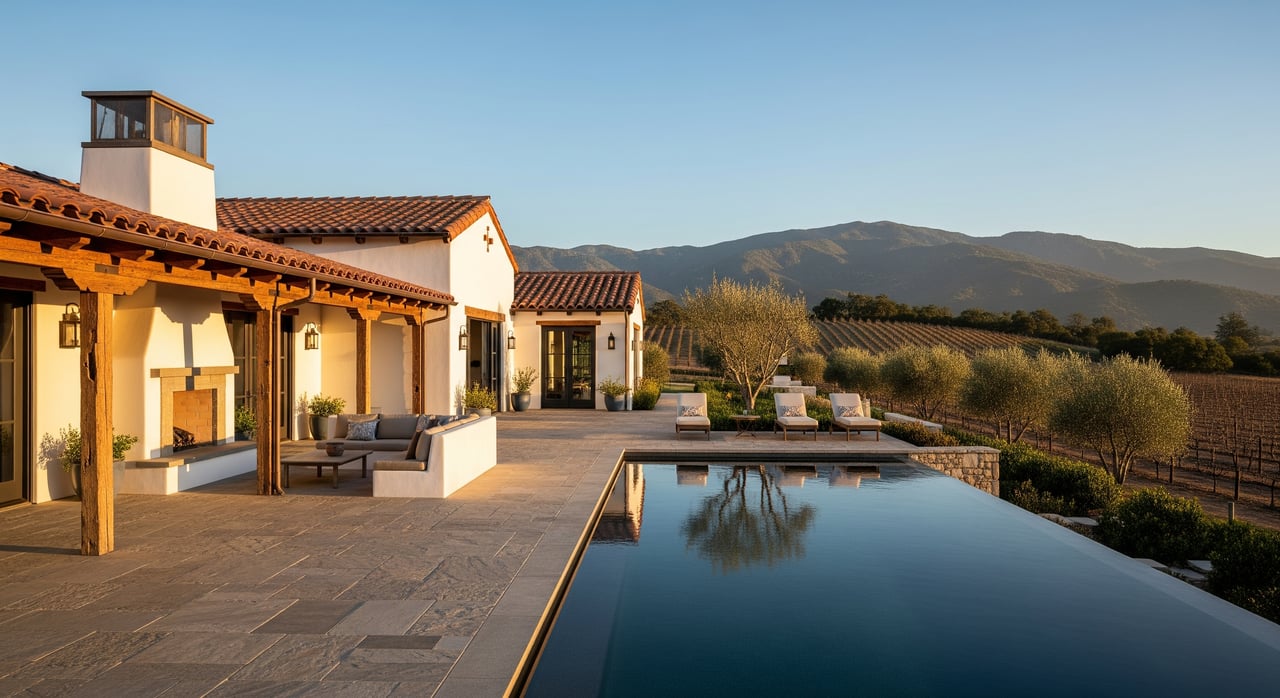
Many high‑end properties feature vineyard elements, guest cottages, and indoor‑outdoor living that suits long weekends and effortless entertaining. Buyers are often drawn to privacy and acreage, equestrian facilities, and proximity to tasting rooms and dining. You can enjoy a country setting while staying accessible to coastal Santa Barbara and regional airports.
Micro‑areas at a glance
Santa Ynez
Santa Ynez serves as a central hub with a historic downtown, equestrian culture, and local services. You will find smaller tasting rooms, shops, and community amenities, plus straightforward access to surrounding ranchland. It suits buyers seeking a balance of acreage and convenience.
Los Olivos
Los Olivos is an upscale, walkable village known for tasting rooms, art galleries, and a quiet core. The compact setting makes it easy to enjoy wine‑centric living with boutique dining close by. It is a natural fit if you want a refined village base with quick access to vineyards.
Solvang
Solvang is a Danish‑themed town with distinct architecture, robust hospitality, and cultural events. Expect boutique hotels, restaurants, museums, and regular tourist activity. It can also be a productive short‑term rental environment, subject to local rules and permitting.
Buellton
Buellton is the valley’s transportation gateway along U.S. 101 with greater commercial and lodging inventory. It offers strong highway access, services, and traveler‑oriented dining. This is a practical base if frequent trips and guest logistics are a priority.
Ballard and small hamlets
Ballard and nearby hamlets read as very small, quiet, and residential with nearby ranchland. These areas appeal to buyers who value maximum privacy and a rural feel. They are often selected for private estates and equestrian properties.
Property types and features
Ranch and equestrian estates
Ranch properties range from a few acres to several hundred acres. Common improvements include a main residence, guest or caretaker quarters, barns, stalls, arenas, round pens, turnout paddocks, hay storage, and private riding trails. Zoning is typically agricultural or rural, and some properties may be subject to conservation easements or Williamson Act contracts.
Vineyard and winery estates
You will see everything from hobby vineyards to income‑producing blocks and full estate wineries. Key items include vine age and varietal mix, trellis systems, irrigation, frost protection, and soils. Water rights and reliable supply are essential for viability.
Luxury residences and contemporary estates
Expect high‑end kitchens, wine cellars, pools, guest cottages, security, and bespoke landscaping. Many rural homes rely on septic systems and private wells or water district connections. Propane and solar or hybrid systems are also common.
Village homes and boutique options
In Solvang and Los Olivos, you will find cottages, historic homes, and small estates near town centers. These properties suit second‑home owners who want easy access to tasting rooms and hospitality. They offer a lock‑and‑go lifestyle without sacrificing local charm.
What to verify before you buy
Zoning and use rights
Confirm county zoning, general plan use, and any conservation easements or Williamson Act contracts. These items affect dwelling counts, accessory structures, commercial winery or event uses, and agricultural operations. If you plan visitor accommodations or short‑term rentals, verify current rules, permits, and transient occupancy tax obligations.
Water and irrigation
Test well capacity, pump depth, historic yield, and water quality. Inquire about municipal or mutual water‑district connections where applicable. For vineyards or pasture, review irrigation infrastructure and consider regional water management or drought restrictions that can affect schedules.
Fire risk and insurance
Much of the valley sits in Wildland‑Urban Interface areas. Evaluate local fire risk maps, access for emergency vehicles, and defensible‑space work on and around the property. Wildfire exposure affects insurability and premiums, so obtain binding quotes early.
Soils and septic
Soil type, drainage, aspect, and frost susceptibility drive vineyard potential and pasture productivity. Secure soils analyses and frost hazard assessments if you are considering vines. For homes, confirm septic system capacity, maintenance records, and percolation history, especially if you plan expansions.
Access and utilities
Establish whether access is via public roads, private roads, or easements, and whether maintenance agreements exist. Verify electricity capacity, communications, and fuel sources such as propane or natural gas. Broadband and cellular coverage can vary property by property, so test on‑site.
Permits and development
New construction or additions may require county design review and permits. Agricultural structures can have different standards than residential buildings. Environmental or biological surveys may be needed depending on site characteristics.
Taxes, title, and rights
Property tax is based on assessed value, and agricultural use can sometimes provide benefits. Review special assessments and any obligations if you plan rentals. Title should confirm easements, shared well agreements, mineral or water rights, and rights‑of‑way.
Lifestyle and logistics
Wineries and events
The valley offers a dense network of tasting rooms and seasonal wine events. This supports a relaxed entertaining lifestyle and potential direct‑to‑consumer models for vineyard owners. You can enjoy the wine culture without leaving your neighborhood.
Equestrian services
Regional equine vets, farriers, boarding, and trainers are available. If you will operate a private ranch, consider proximity to these services and staffing needs. Many owners also engage on‑site caretakers to maintain year‑round standards.
Hospitality, dining, and culture
Solvang’s hospitality spine complements the quieter village settings of Los Olivos and Santa Ynez. You will find boutique hotels, restaurants, galleries, and cultural festivals. Buellton adds convenient lodging and services for visiting guests.
Health care and schools
Hospitals and specialty services are available within Santa Barbara County, with more complex care found in larger coastal cities. Local school options and district boundaries vary. If schools matter, verify boundaries and capacity for your specific property address.
Travel and connectivity
Highway corridors and regional airports make the valley accessible for weekend or seasonal use. If you work remotely, evaluate broadband and cell coverage during showings. Location within the valley can influence commute times to coastal amenities.
Property management and rentals
Many second‑home owners hire local property managers for maintenance, concierge services, and guest support. If you plan rentals, confirm permitting and transient occupancy tax requirements. Budget for staffing, grounds, and seasonal needs.
Market dynamics and financing
Demand drivers
Luxury demand is driven by privacy, acreage, and lifestyle branding associated with wine country. Post‑pandemic preferences continue to favor high‑quality indoor‑outdoor living and self‑contained amenities. The second‑home market remains a key component of valley activity.
Pricing and liquidity
Ranches and estate parcels in premium areas command higher values than smaller in‑village homes. Properties with water, established vines, or quality improvements often trade at a premium. Liquidity can be slower for very large or specialized assets compared to village homes or small estates.
Financing and underwriting
Lenders for rural, agricultural, or vineyard assets often use specialized underwriting. Cash buyers are common at the high end. If financing, expect scrutiny of water availability, revenue potential for vineyards, and replacement costs for structures.
Build your professional team
Engage local experts early to save time and avoid surprises. Your core team should include an agent experienced with luxury, ranch, vineyard, and equestrian properties. Add a land‑use attorney or title company, a vineyard consultant, civil or soils engineer, well tester, firewise consultant, insurance broker, and a property or operations manager as needed.
Quick checklists
Must‑ask questions at showings
- What is the verified well capacity, pump depth, and historic yield?
- Are there conservation easements, Williamson Act contracts, or agricultural leases?
- What is the property’s fire history and current defensible‑space status?
- How is access maintained and who pays for private road upkeep?
- What is the septic system capacity and percolation test history?
Top lifestyle draws
- Tasting rooms and seasonal wine events across the valley towns
- Equestrian culture with regional vets, trainers, and boarding
- Boutique hospitality, galleries, and small‑town dining
Regulatory red flags to verify
- Short‑term rental permitting and transient occupancy tax rules
- Vineyard water rights and irrigation constraints
- Design review, biological surveys, or other development triggers
Final thoughts
The Santa Ynez Valley rewards thoughtful buyers who balance lifestyle vision with disciplined due diligence. If you want privacy, acreage, and a wine‑country rhythm within reach of the coast, this region deserves a careful look. With the right team and a clear process, you can secure an estate that fits your life today and your plans for tomorrow.
If you would like a confidential, concierge‑level introduction to the valley and its off‑market opportunities, connect with Jon Perkins for private guidance and next steps.
FAQs
What towns make up the Santa Ynez Valley?
- The core towns include Santa Ynez, Los Olivos, Solvang, Buellton, and smaller hamlets like Ballard, each offering distinct amenities and settings.
How do short‑term rental rules work in the valley?
- Rules vary by jurisdiction, so confirm permitting, allowable uses, and transient occupancy taxes before planning visitor accommodations or rentals.
What should I check about water on rural properties?
- Obtain recent well tests, confirm historic yield and water quality, and verify irrigation infrastructure and any water‑district connections if applicable.
How does wildfire risk affect buying and insurance?
- Many areas are in the Wildland‑Urban Interface, so review fire risk maps, defensible‑space work, access for emergency vehicles, and obtain insurance quotes early.
What are key vineyard due‑diligence steps?
- Review soils and frost risk, confirm water reliability, analyze vine age and varietals, and consult a vineyard specialist to assess viability and operating costs.
Are large ranches harder to resell than village homes?
- Liquidity can be slower for very large or specialized properties compared to smaller village homes or estates, so plan your hold period and exit strategy accordingly.