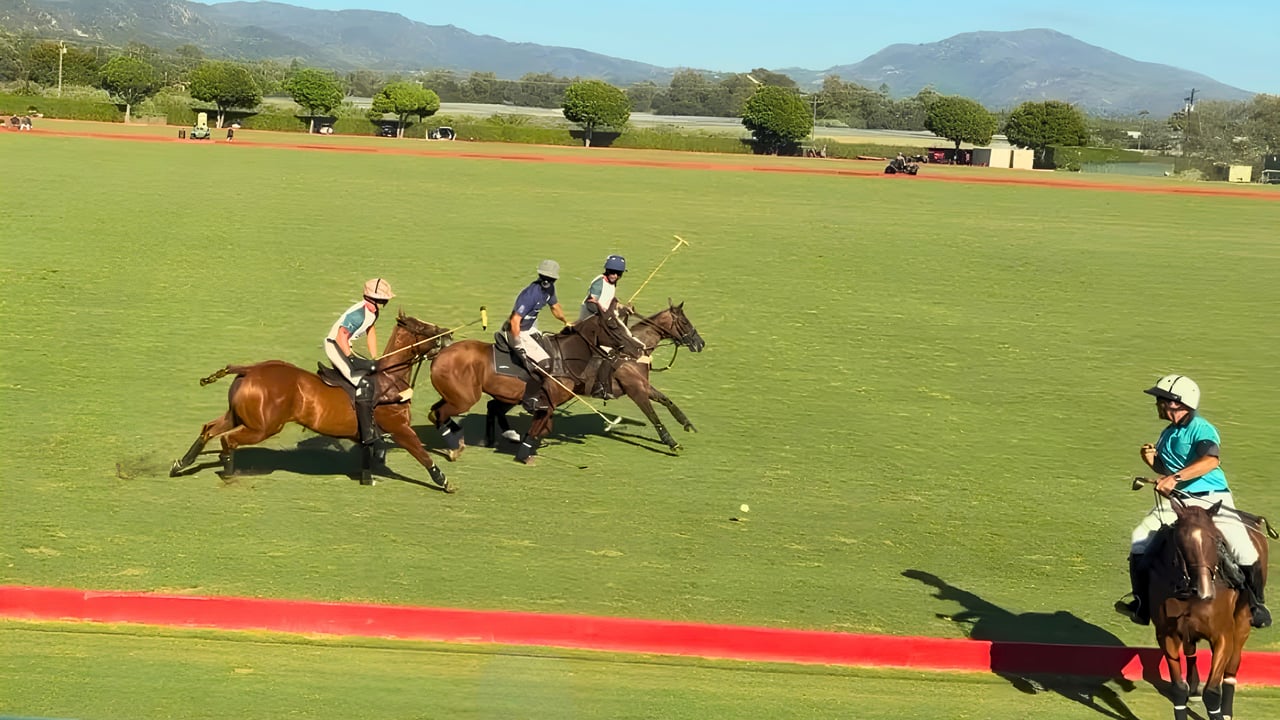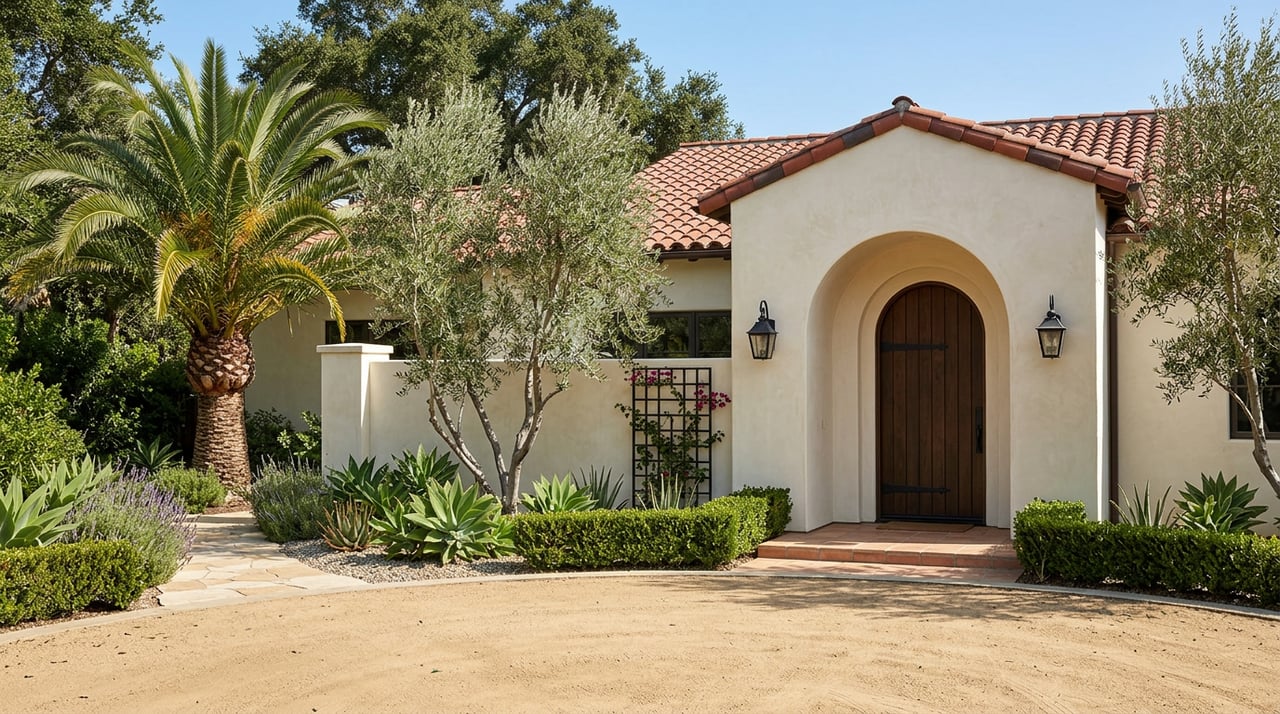
If you want horses in the backyard, sand underfoot, and true privacy near Santa Barbara, Hope Ranch belongs on your short list. The enclave blends resident beach access, an extensive bridle‑trail network, and quiet roads with a close‑in coastal setting. Buying here is different from a typical neighborhood purchase, because the lifestyle comes with recorded easements, HOA controls, and coastal rules you need to understand. This guide shows you how to evaluate the opportunity with clear steps, local context, and the due diligence that protects your investment. Let’s dive in.
Why Hope Ranch stands out
Hope Ranch sits in unincorporated Santa Barbara County, west of downtown, and spans roughly 1,800 to 1,900 acres with about 700 to 775 parcels. It is governed by recorded CC&Rs and Building Guidelines administered by the Hope Ranch Park Homes Association. The HOA runs private patrol and manages many common‑area functions, while public law enforcement remains with the County Sheriff. You can review association resources and community services on the Hope Ranch Park Homes Association site.
Water for many properties is supplied by La Cumbre Mutual Water Company, a shareholder‑owned system serving the area. Learn how service and shareholder rights work directly from La Cumbre Mutual Water Company. The City also delivers recycled water to La Cumbre for irrigation users, which adds resilience for large landscapes; see the City’s summary of the recycled‑water program.
Equestrian lifestyle, clarified
Hope Ranch is known for its bridle‑trail network, commonly reported as roughly 20 to 27 miles of interconnected paths. Importantly, the community treats these as recorded “Bridle Trail Easements,” not informal cut‑throughs. A recent court summary of the governing documents confirms trail easements and other common‑area categories are defined in the CC&Rs and assignment instruments. You can read the court’s overview of the CC&Rs and easement framework in the Santa Barbara County Superior Court’s tentative ruling.
If you plan to keep horses or add equestrian facilities, budget time for approvals. The Architectural Board of Review (ABR) and Building Guidelines cover barns, paddocks, grading, lighting, and view impacts. Projects generally need both County permits and association approvals, and the HOA can enforce more restrictive rules than basic zoning. Early design consults with an ABR‑experienced architect help prevent costly revisions.
Resident beach access and coastal reality
The HOA manages a resident beach and picnic area with controlled entry. The experience feels private and low‑key, and many buyers value the convenience of gated access and on‑site amenities. That said, coastal ownership always includes public‑trust boundaries below the mean high tide line, and some upland areas can be shaped by recorded easements or Coastal Commission conditions. For a clear primer on public access and the foreshore, review the California Coastal Commission’s coastal access guidance.
Before you rely on any specific beach rights, verify what runs with the lot versus what the association grants by policy. Confirm deeded rights, recorded easements, any Offers‑to‑Dedicate, and HOA guest rules during your title review and resale‑packet review. The HOA site is a helpful starting point for amenity context and rules; see Hope Ranch resources.
Privacy, roads, and security
Privacy is central to the Hope Ranch experience. Many interior roads and trail corridors are managed as association easements, often categorized as “Private Road Easements” in the governing documents. Maintenance, access, and gate controls flow from those recorded instruments and association policy. The court’s summary offers a useful explanation of how these easements operate in practice; see the tentative ruling.
Neighborhood security is handled by the HOA’s private patrol, while the County Sheriff provides formal law enforcement because the area is unincorporated. Ask how patrol and public responders coordinate near your target property. Association contact points for patrol and community operations are listed on the HOA site.
Clubs and schools
Lifestyle hubs inside or adjacent to Hope Ranch add day‑to‑day convenience. La Cumbre Country Club offers golf, tennis, fitness, and dining. Membership is separate from HOA ownership and may include limits or waitlists. Learn more at the La Cumbre Country Club site.
Laguna Blanca School operates its Middle and Upper School campus in Hope Ranch. Admissions are independent from property ownership, and you should confirm program details directly. Explore the school’s offerings on the Laguna Blanca site.
How the CC&Rs shape ownership
Hope Ranch’s recorded CC&Rs date back to an original 1924 declaration with later restatements that remain operative today. These documents define common‑area easements, architectural control, and association powers. They also outline procedures to modify or abandon easements and how the ABR applies design standards.
The court’s analysis emphasizes a few buyer takeaways. Do not assume a simple one‑home, one‑vote system. The developer documents historically referenced acreage‑based voting weight, and you should confirm the current calculation in the bylaws and membership ledger. Expect that projects will require both County permits and ABR approval, and the HOA can impose more restrictive standards than County zoning. You can review these points in the court’s tentative ruling.
Market overview and how to compete
Inventory ranges from classic ranch‑style homes on single‑acre lots to oceanfront and ridge estates. Neighborhood reports show a small number of monthly sales and a recent median sale price in the low two millions, though active listings often skew higher due to estate and oceanfront properties. With low turnover and many discreet offerings, relationships and readiness matter.
If you want the best options, prepare for both on‑market and off‑market searches. Have funds or financing lined up, request the HOA resale package early, and pre‑book key inspectors. A calm, well‑documented offer with realistic review timelines stands out.
Due diligence checklist for buyers
Use this buyer‑focused checklist to protect your investment and speed your review.
Must‑request documents
- Full HOA resale packet under Davis‑Stirling: CC&Rs, bylaws, operating rules, Building Guidelines, ABR minutes, budget, reserve summary, assessment statements, violation notices, and litigation disclosures. The association must respond within statutory timelines and can charge reasonable, itemized fees. See the summary of Civil Code requirements in this Davis‑Stirling resource.
- Preliminary title report and recorded plats showing: private road easements, bridle‑trail easements, any recorded beach easements or Offers‑to‑Dedicate, and deed‑level restrictions. Require clarity on any ambiguous or missing instruments. The court’s tentative ruling explains how these easements are treated.
Site and technical reviews
- Oceanfront or bluff parcels: commission a coastal geotechnical study to assess bluff stability, setbacks, and future risk. Understand how sea‑level rise and access obligations may affect long‑term use. Review the Coastal Commission’s access program for context.
- Wastewater: confirm whether the property is on sewer or septic. If septic, order a full system inspection and verify County records, permits, and leach‑field location. Ask for maintenance logs.
- Water service: confirm account and shareholder status with La Cumbre Mutual Water Company. For irrigated estates, ask about recycled‑water availability and any current or planned infrastructure work. The City’s recycled‑water delivery update provides useful context.
- Architectural and permit history: pull ABR approvals, any compliance notices, and County permit files tied to the parcel. The ABR may have conditions that go beyond County permits. See the court’s summary for how ABR oversight fits within the CC&Rs.
Legal and association checks
- Beach privileges: verify whether access is deeded to the lot or granted by HOA policy and confirm any recorded public access easements. Start with HOA resources and follow with title review.
- Private roads: confirm maintenance obligations and any planned capital projects or special assessments affecting your road easement. Cross‑check with board minutes and reserve studies.
- Litigation and assessments: scan recent minutes and financials for pending litigation, material repairs, or reserves shortfalls that could lead to special assessments.
Insurance and risk planning
- Wildfire: obtain quotes early. Coverage and premium can vary by topography and construction. The HOA participates in Firewise USA and provides evacuation and readiness resources, which can support mitigation planning. Review the HOA’s Firewise page.
- Coastal hazards: add flood, wind, and storm‑surge discussions to your insurance review for ocean‑adjacent parcels. Your geotechnical findings should inform coverage and deductibles.
Negotiation and process tips
- Contingencies: set realistic windows that cover HOA documents, title and easement review, coastal or geotechnical studies, wastewater checks, and water‑service due diligence. A three‑day glance at a multi‑hundred‑page resale packet is not enough.
- Team: line up a local title officer for easements, a real estate attorney for CC&R interpretation, an ABR‑experienced architect, a coastal engineer if applicable, a septic specialist if needed, and an insurance broker with wildfire and coastal experience. Having your bench in place shortens timelines and builds seller confidence.
The bottom line for buyers
Hope Ranch delivers a rare trifecta: resident beach access, a protected equestrian network, and true privacy in a coastal setting near Santa Barbara. To capture that value, you need a clear view of the CC&Rs, easements, and coastal rules that shape each parcel. With focused due diligence and an experienced local team, you can move decisively on the right property and avoid unwelcome surprises.
If you are ready to explore Hope Ranch with discretion and a process built for complex properties, request a confidential consultation with Jon Perkins. We will help you identify the right fit, surface quiet opportunities, and manage every step from first tour to close.
FAQs
What makes Hope Ranch different for buyers?
- Hope Ranch combines a resident beach, an established bridle‑trail network, and private roads overseen by an HOA, with many rules defined by recorded CC&Rs and Building Guidelines that you must review early.
Is the Hope Ranch beach truly private?
- The HOA manages a resident beach with controlled access, but California keeps the wet sand below the mean high tide line in the public trust, so you should verify deeded rights and any recorded access easements with title and the Coastal Commission’s access guidance.
Can I keep horses on my Hope Ranch property?
- Many parcels support equestrian use, and the community protects “Bridle Trail Easements,” but barns, paddocks, and site work are subject to the HOA’s ABR and Building Guidelines as well as County permits, as summarized in the court’s tentative ruling.
Who provides water service in Hope Ranch?
- Many homes receive water from La Cumbre Mutual Water Company, and the City delivers recycled water for irrigation users within La Cumbre’s network, as noted in the City’s recycled‑water program update.
How do private roads and security work?
- Interior roads are often managed as association easements, which guide maintenance and access, and the HOA operates a private patrol while formal policing remains with the County Sheriff; see HOA resources and the court’s summary.
What documents will I receive during escrow?
- Under California’s Davis‑Stirling statutes, you are entitled to a resale disclosure package with governing documents, financials, minutes, assessments, and litigation disclosures; review a plain‑English summary here: Davis‑Stirling resource.