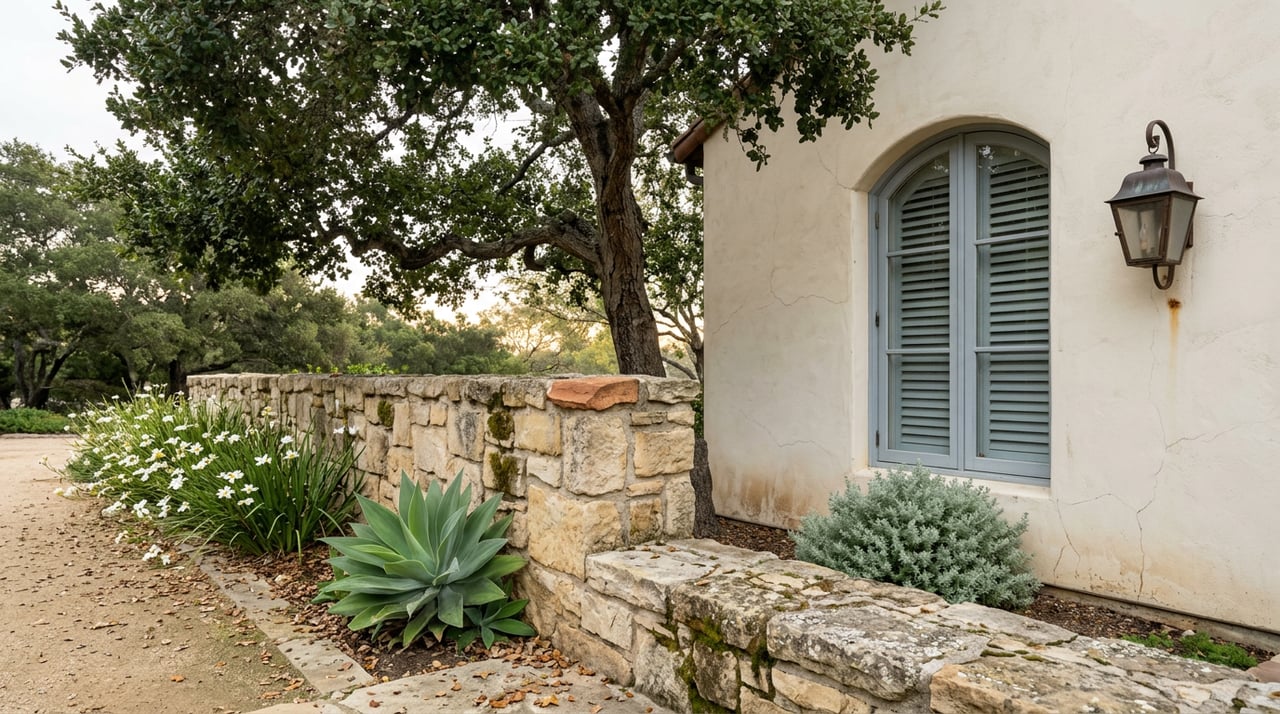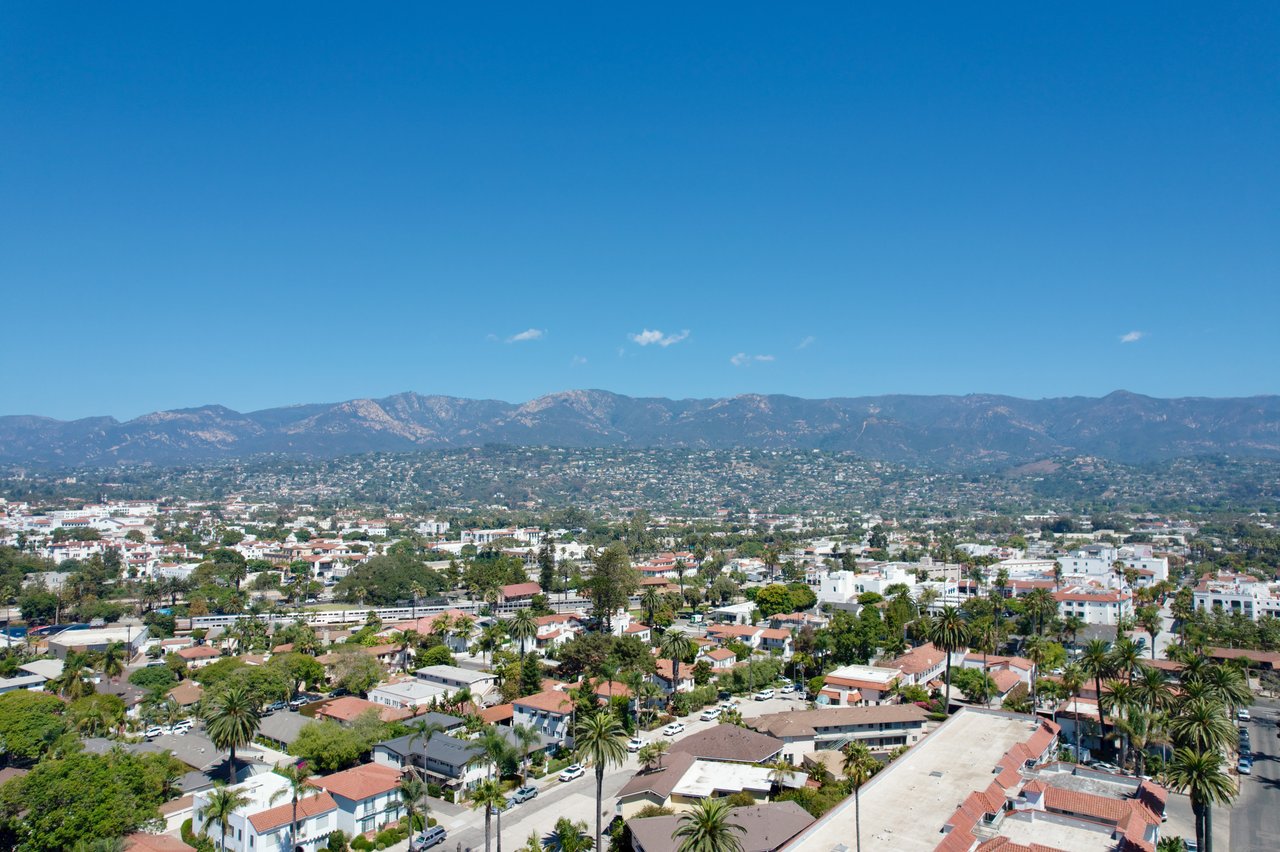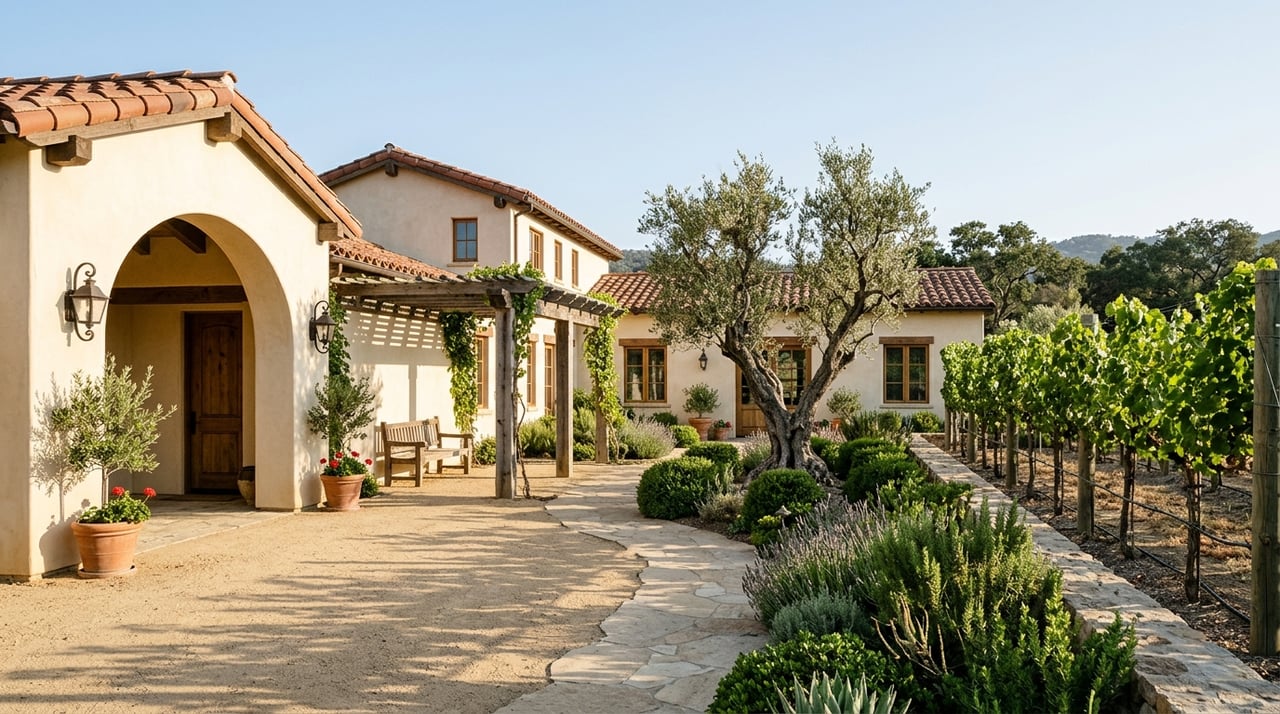
If you are considering a wine country estate in Santa Ynez Valley, the lifestyle is easy to picture. The harder part is knowing what you are actually buying. In this market, views, vines, acreage, and charm matter, but so do water rights, septic or sewer service, land-use limits, and the difference between a residential estate and a property with true operating potential. This guide will help you ask smarter questions, compare the valley’s key areas, and approach your search with clarity. Let’s dive in.
Defining Santa Ynez Valley
Before you evaluate estates, it helps to understand what “Santa Ynez Valley” can mean.
From a county planning standpoint, the Santa Ynez Valley Community Plan area covers about 72 square miles and includes the unincorporated townships of Santa Ynez, Ballard, and Los Olivos. Buellton and Solvang are incorporated cities, so they are not part of that formal planning area.
At the same time, the broader visitor-facing version of the valley often includes six communities: Ballard, Buellton, Los Alamos, Los Olivos, Santa Ynez, and Solvang. That matters because buyers and sellers often use the same regional label to describe different geographies.
For estate buyers, this distinction affects more than terminology. It can shape your expectations around services, infrastructure, land use, and the kind of inventory you are likely to find.
Why estate due diligence matters here
Santa Ynez Valley is known for its scenic pastoral setting and longstanding agricultural identity. That setting is part of the appeal, but it also means many properties need a more careful review than a typical in-town home.
Large parcels, vineyards, ranches, and view estates often come with layers of practical questions. You may need to evaluate water source, wastewater systems, agricultural status, and whether a parcel’s current use aligns with your long-term plans.
If you want a property that is simply beautiful and private, your checklist may be shorter. If you want a vineyard, equestrian setup, or estate with hospitality or wine-related ambitions, your due diligence becomes much more detailed.
Water should be your first question
In Santa Ynez Valley, water is not a side issue. It is one of the first questions to answer when you are considering a large parcel or estate.
The Santa Ynez River Valley Groundwater Basin underlies Santa Ynez, Buellton, Solvang, and Lompoc, and average annual precipitation across the valley is about 17 inches. That context helps explain why buyers of vineyards, ranches, and estate properties need to review water supply carefully.
Types of water service
A parcel may be served by a public district, a small public system, a private system, or a private well. In the Santa Ynez Valley Community Plan area, the Santa Ynez River Water Conservation District Improvement District No. 1 is the sole public water purveyor, serving Santa Ynez, Los Olivos, Ballard, and the Chumash Reservation.
The same planning materials note that several small public systems and many private water systems also exist. So even if two properties are close to one another, their water situation may be very different.
Wells and groundwater oversight
If a property relies on a well, you should look beyond whether the well exists. You also want to understand production history, available documentation, and whether the parcel sits in an area where groundwater management may affect reporting or operation.
The basin is managed under SGMA, and the local basin portal notes that the Santa Ynez River Valley Groundwater Basin is a medium-priority basin managed under a Groundwater Sustainability Plan. Local materials also indicate that well production in parts of the basin is being actively managed, so buyers should expect well registration or reporting questions in some areas.
What to confirm before you buy
For any estate property, consider confirming:
- Whether water comes from a district system, mutual system, or private well
- What records exist for well yield and reliability
- Whether the parcel is subject to groundwater reporting or management requirements
- How water availability fits your intended use, especially if you are considering vines, animals, or extensive landscaping
Septic and sewer can vary by location
Wastewater is another key issue that can differ sharply across the valley.
Some areas have more established sewer infrastructure, while others rely on septic systems. That means you should never assume that a wine country estate has the same utility profile as a nearby village property.
Town-by-town utility differences
In Los Olivos, the Los Olivos Community Services District currently posts information related to a community sewer project, septic resources, and a septic system survey. That signals that wastewater status remains an active topic in that area.
The Santa Ynez Community Services District is responsible for sewer collection and street lights and performs contract operations for wastewater treatment, collection, and recycled water. In Solvang, the city’s utility systems include municipal water and wastewater services, which can create a different ownership experience from a rural parcel outside city limits.
If the property is on septic
If an estate relies on septic, site feasibility matters. According to Santa Barbara County subdivision regulations, where there is no community water system, the purchaser must be notified that a private water supply is at the purchaser’s own risk and expense, and the county evaluates sewage disposal using factors such as lot size, usable area, topography, soil saturation, groundwater depth, percolation, and proximity to nearby domestic water supplies.
In practical terms, that means septic is not just a checkbox. It is part of the property’s physical and regulatory feasibility.
AVAs matter, but they are not zoning
Wine country buyers often focus on appellation location, especially when a property includes vines or future wine ambitions. That can be useful, but it is important to separate branding value from land-use rights.
The TTB’s established AVA resources show that Santa Ynez Valley includes several sub-AVAs, including Ballard Canyon, Happy Canyon of Santa Barbara, Los Olivos District, and Sta. Rita Hills. These designations matter for wine labeling and origin, not for zoning or development permissions.
What AVA status does and does not do
An AVA can help define how wine may be labeled if the applicable rules are met. It does not by itself grant a right to plant a vineyard, open a tasting room, host events, or operate a winery.
If your goal is ownership of a lifestyle estate with a few rows of vines, AVA location may be more about identity and setting. If your goal is a wine business or a more active agricultural operation, then AVA status is only one piece of a much larger review.
Residential estate or operating estate?
This is one of the most important distinctions you can make.
A lifestyle estate may offer privacy, views, a small vineyard, open land, or equestrian amenities without being designed for active wine or event operations. An operating estate is different. It may involve licensing, local approvals, staffing needs, and a more complex ownership model.
Wine and tasting permissions
According to the TTB’s appellation guidance, estate-bottled wine must come from grapes grown on land owned or controlled by the winery, and both the winery and vineyard must be within the AVA if that AVA appears on the label. The same guidance makes clear that ownership alone is not the same as operating rights.
The research also notes that ABC’s Type 93 estate tasting event authorization may apply to qualified Type 02 winegrowers in certain cases, but local city or county approval can still determine whether that authorization is valid. In other words, if you are buying with business intent, local approvals matter just as much as the romance of the setting.
Operational complexity
Properties with active wine, hospitality, or event use usually require more oversight than purely residential estates. That can include vineyard management, irrigation coordination, groundskeeping, ranch or equestrian care, housekeeping, and event-related support.
If you want simplicity, a residential estate may be the better fit. If you want an estate with business potential, your diligence should include a close review of what is already permitted and what would still require approval.
How the main areas compare
Not every part of the valley offers the same type of estate inventory. Knowing the general feel of each area can help you narrow your search more quickly.
Santa Ynez
Santa Ynez is the valley’s western township. The Santa Ynez Chamber notes its 1882 founding, ties to the historic San Marcos Pass stagecoach route, and ongoing service role for surrounding ranches and farms.
For buyers, Santa Ynez often points toward ranches, horse properties, legacy estates, and village-adjacent homes with a more grounded country feel. It is often a strong fit if you want land, privacy, and a direct connection to the valley’s agricultural character.
Los Olivos
Los Olivos is often seen as the valley’s walkable wine village. Its visitor site highlights tasting rooms, boutique shopping, dining, vineyard views, and estate-style properties.
This area often appeals if you want a smaller vineyard estate, a retreat property, or something with closer access to village amenities. Compared with broader ranch areas, it can feel more boutique and village-oriented.
Ballard
Ballard sits within the county’s community plan area and is described by local sources as a charming neighborhood setting. For buyers, it often feels quieter and more residential in character, with immediate access to surrounding countryside and agricultural land.
If you value a more understated location with rural surroundings, Ballard may deserve closer attention.
Solvang
Solvang is an incorporated city with a more compact pattern of development. The city’s general plan materials describe a community with open space, rural character, and residential subdivisions, while city utilities include municipal water and wastewater services.
Inside city limits, inventory is generally more aligned with village homes, lodging, and commercial-support uses than with true vineyard estates. Buyers looking for lower infrastructure uncertainty may still find Solvang relevant, depending on their goals.
Buellton
Buellton is the valley’s Highway 101 corridor-oriented city. The city’s overview places it within the Santa Ynez Valley, and its planning framework includes a mix of commercial, industrial, service, and residential uses.
For most estate buyers, Buellton is less likely to be the primary target for classic vineyard estate inventory. It often functions more as a service and hospitality node within the broader region.
Questions to ask before making an offer
When you find a promising estate, these are some of the most important questions to raise early:
- Is the property served by municipal water, a district system, a mutual system, or a private well?
- What documentation exists for well yield, reliability, or historical production?
- Is the property on sewer, or does it rely on septic?
- If it is septic, what is known about site feasibility and prior approvals?
- Is the parcel inside an agricultural preserve or related county program, and what constraints may follow from that status?
- Is the current use purely residential, or does it include vineyard, winery, tasting, event, equestrian, or hospitality elements?
- What local approvals, permits, or licenses are already in place?
- Does the parcel’s AVA location support your intended wine strategy, if that is part of your plan?
A smarter way to approach your search
In Santa Ynez Valley, estate buying is often less about finding the prettiest parcel and more about finding the right match between lifestyle, infrastructure, and long-term goals. Two properties can look similar online and perform very differently once you evaluate utilities, entitlements, and operating limits.
That is why a disciplined, property-specific review matters. If you are buying for personal enjoyment, a clear understanding of water, wastewater, and service levels can help you avoid surprises. If you are buying with vineyard or wine-related ambitions, it becomes even more important to separate appearance from actual use rights.
For buyers seeking discreet, high-touch guidance on estate properties in Santa Barbara County, Jon Perkins offers a confidential, concierge-level approach shaped by local market knowledge and careful due diligence.
FAQs
What does Santa Ynez Valley include for estate buyers?
- Santa Ynez Valley can refer either to the county community plan area of Santa Ynez, Ballard, and Los Olivos, or to the broader visitor-facing region that also includes Buellton, Solvang, and Los Alamos.
Why is water such an important issue for Santa Ynez Valley estates?
- Water matters because many estate properties rely on different supply types, including district systems and private wells, and the valley’s groundwater basin is actively managed under a Groundwater Sustainability Plan.
Do Santa Ynez Valley AVAs give you development rights?
- No. AVAs are wine appellation designations for labeling and origin, not zoning districts or land-use entitlements.
Are all Santa Ynez Valley estates connected to sewer?
- No. Wastewater service varies by town and parcel, and some properties rely on septic systems instead of municipal or community sewer infrastructure.
What should you verify before buying a wine country estate in Santa Ynez Valley?
- You should verify water source, well documentation if applicable, sewer or septic status, agricultural preserve status, current uses, and any permits or approvals tied to vineyard, wine, event, or other operational activity.