What El Niño Could Mean for Santa Barbara as the Season Changes
El Niño is a climate pattern that develops when ocean temperatures in the central and eastern tropical Pacific become warmer than usual, influencing weather patterns far beyond the tropics. A powerful El Niño is already in place for the 2026–27 season, and National Oceanic and Atmospheric Administration (NOAA) reports a greater than 90 percent chance it stays powerful through the Northern Hemisphere fall and winter. For Santa Barbara, its location along the Pacific coast makes the pattern worth watching as the region moves from its dry season toward the wetter months.
El Niño does not determine exactly when a storm will arrive or how severe it will be. Understanding the potential local effects now can help residents make practical preparations and stay informed as conditions develop.
A Pacific Pattern With Local Consequences
El Niño develops through changes in the tropical Pacific Ocean and atmosphere that can influence the position of the Pacific jet stream and the paths taken by winter storms. Southern California tends to have a greater chance of wetter conditions during El Niño winters, although the timing and intensity of individual storms can vary from one event to another.
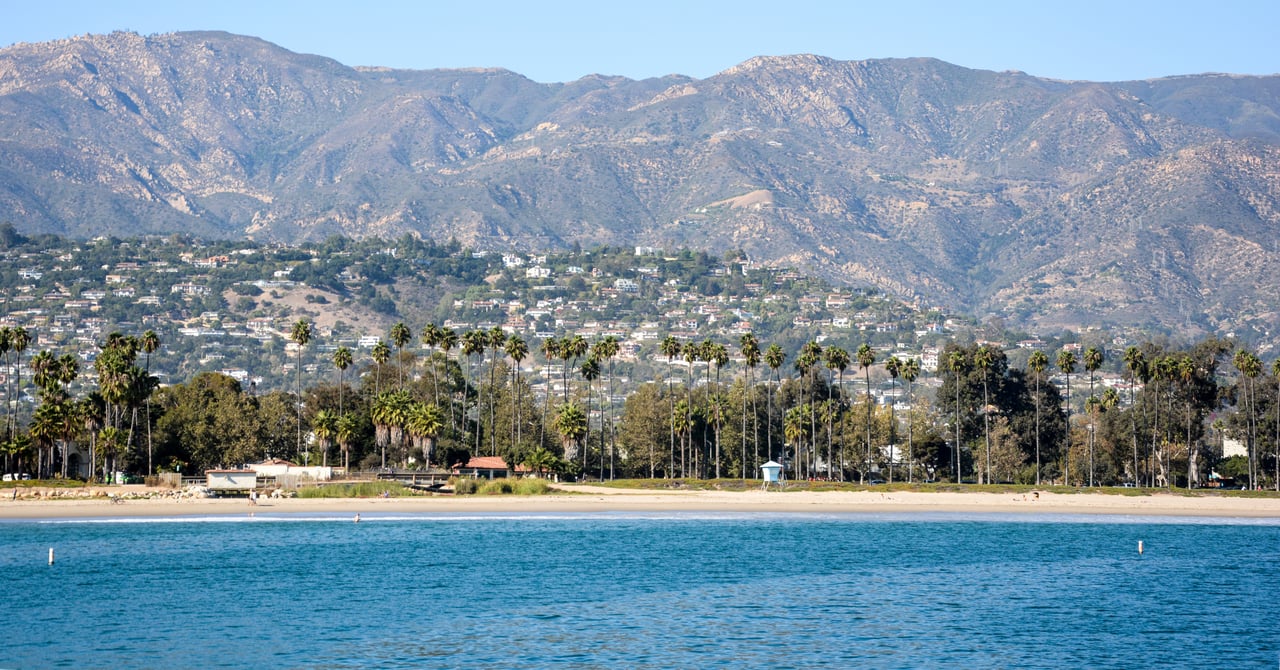
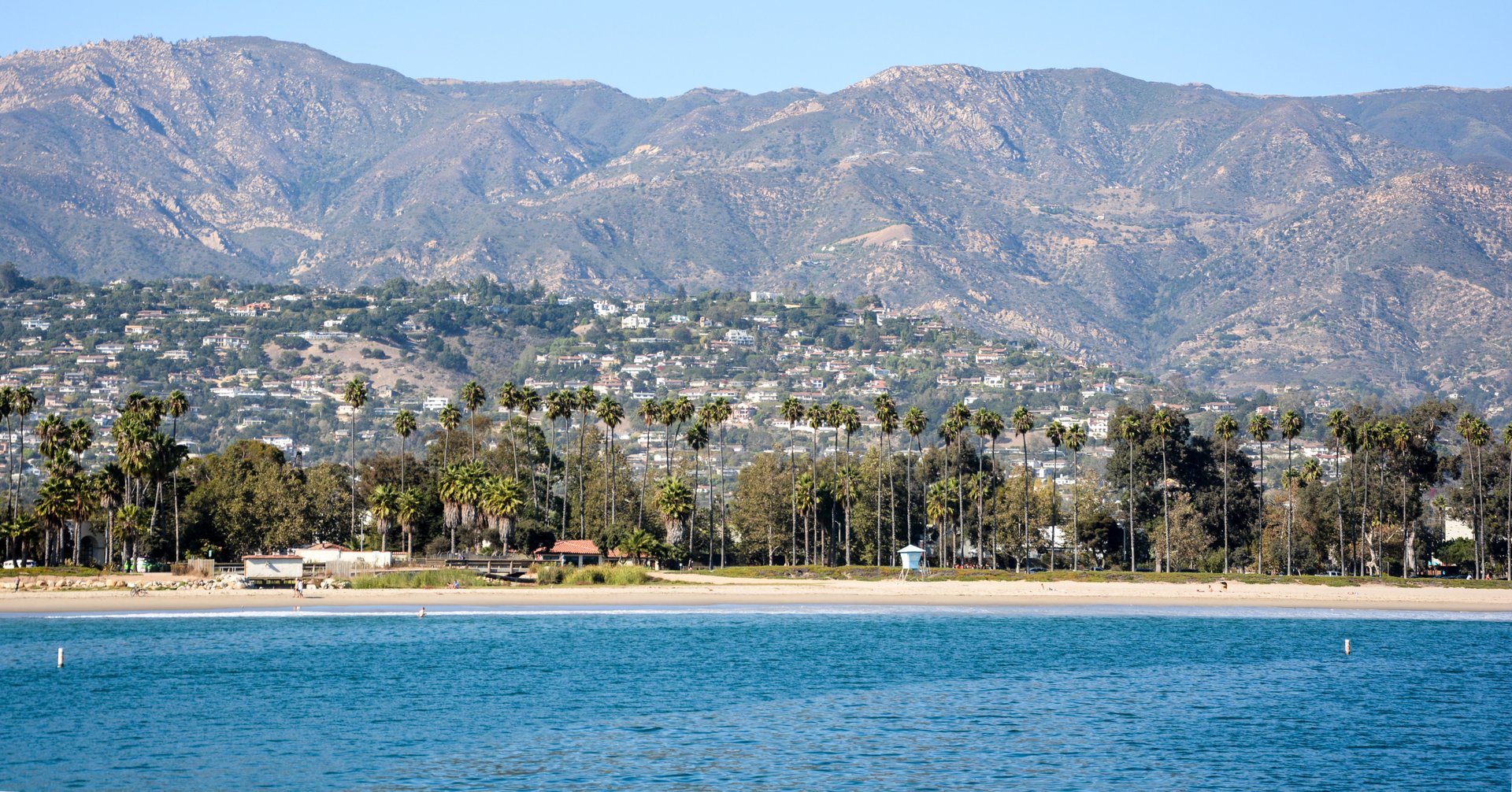
Santa Barbara's coastline sits below the south county foothills, where periods of intense or prolonged rain can raise runoff quickly. Saturated slopes become more susceptible to landslides, with debris flows a particular concern in wildfire burn areas, while stronger winter waves can contribute to beach and coastal bluff erosion.
Local Efforts Taking Shape Before Winter
Local agencies have begun preparing for a more active storm season. The City and County are coordinating on flood and debris-flow readiness and on creek and road preparation, while sharing public information residents cFan use before significant weather arrives.
Creek Week, held September 19–26, is an annual, multi-agency event coordinated by the City's Creeks Division, County Project Clean Water and local partners, with community cleanups and educational activities that bring attention to creeks and watersheds. Stormwater projects such as permeable pavers, which the City has installed in parking lots and streets, help rainwater soak into the ground instead of flowing directly into storm drains.
Practical Approach to Seasonal Preparedness
Getting ready does not need to mean making major changes or buying large quantities of supplies. A few simple checks around the home, along with knowing where to find reliable local information, can make it easier to respond if significant weather develops.
- Check drainage: Clear leaves and debris from gutters and drains to let rainwater flow away from your home.
- Know your location: Check if your home or workplace is in a designated flood hazard area using the FEMA Flood Map Service Center.
- Review your route: Consider an alternate route in case heavy rain affects roads you regularly use.
- Sign up for alerts: ReadySBC provides emergency notifications and local preparedness information.
- Secure outdoor items: Bring in or secure furniture and other loose items before strong winds arrive.
- Review your household plan: Make sure everyone knows how to communicate if conditions change.
- Check essential supplies: Confirm that everyday necessities and medications are on hand without buying more than your household normally needs.
- Review flood coverage: Standard homeowners policies exclude flood damage, and National Flood Insurance Program policies typically take up to 30 days to start, which makes an early conversation with your insurance agent worthwhile.
- Locate sandbags: County distribution is expected to begin October 15, and the Montecito Fire Protection District offers free sandbags when rain is in the forecast.
- Follow official updates: Use the National Weather Service, Santa Barbara County and City of Santa Barbara for current storm information.
A little preparation now can make changing conditions easier to manage later.
Keeping Santa Barbara on Your Radar
Weather conditions can change throughout the season, making current information more useful than any single seasonal forecast. Locale Group will continue sharing relevant local updates as conditions develop while encouraging residents to rely on government and emergency agencies for official alerts and safety guidance. If you have questions about how winter conditions relate to a home you own or one you are considering, our team knows these neighborhoods well and is glad to talk it through.

(805) 284-3660 | [email protected]